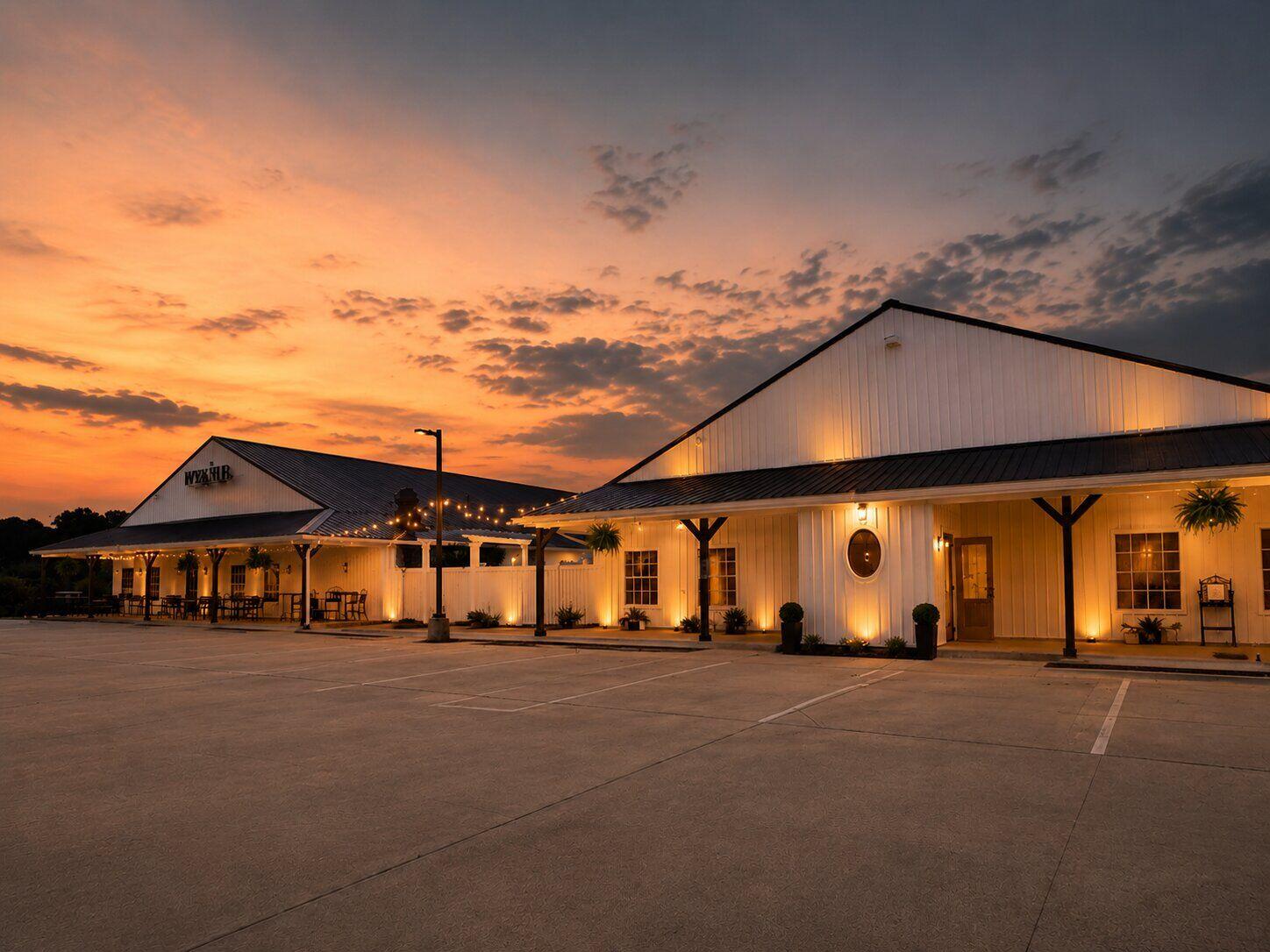
A retirement gathering is about a person, not a generic party package. Some honorees enjoy a microphone and a room full of colleagues; others would rather share dinner with family and a few close friends. Begin by asking what recognition would feel meaningful, then design the guest list and program around that answer. A vineyard setting near Raleigh can provide a change of pace for a Benson-area gathering, but the host still needs a precise plan for invitations, stories, food, and the end of the evening.
Six to eight weeks out: define the celebration
Talk privately with the honoree or someone they trust about preferred tone, surprising guests, workplace traditions, and anyone who should definitely be included. Decide whether this is an employer-hosted event, a family celebration, or a joint effort; that determines who approves spending and who controls the invitation list. If colleagues from different shifts or offices are involved, compare dates before committing.
Set a provisional guest range and format. A seated meal gives everyone a natural place to land; an open-house reception makes it easier for people to stop by, but it needs a plan for when recognition happens. Ask venues about the layout, access windows, and current terms for your format. Havenwing's private-event guide describes a four-hour event plus one hour total for setup and breakdown; confirm how that applies to your plans.
- Pick one lead host and one backup contact.
- Ask the honoree about accessibility and food preferences discreetly.
Four to six weeks out: gather stories with care
Invite colleagues and family to submit short memories rather than asking everyone to give an unscheduled speech. A prompt such as What did this person teach you? usually yields better stories than an open request for tributes. Set a submission deadline and get permission before displaying old photographs or reading personal anecdotes aloud.
Choose one emcee to shape the program. Three or four concise speakers can create a satisfying arc without turning dinner into a meeting. Tell speakers their time limits and ask them to avoid inside jokes that exclude family or stories the retiree would not enjoy. If you plan a slideshow, test file formats, audio, and equipment with the venue instead of assuming a screen and microphone are included.
- Collect names and pronunciations for introductions.
- Keep a private folder for submissions not suitable for public sharing.
Three weeks out: make the room comfortable
Use RSVPs to revisit the floor plan, seating, and food service. Ask whether guests need step-free access, reserved seats close to the program, or a quieter spot for conversation. If work friends and relatives have never met, a simple welcome or table-host plan can help them connect. Do not force assigned seating unless it serves a purpose.
Build the menu around a relaxed pace rather than a dramatic reveal. Share allergies and dietary requests through a clear channel and ask the food team how choices should be collected. Confirm where gifts, cards, coats, and any memory display can go. A table for photos needs someone to set it up and someone to take those items home.
- Put RSVP, dietary, and access questions on the invitation.
- Assign an owner for every personal item brought to the venue.
One week out: rehearse the handoffs
Confirm the final guest information according to the venue's deadlines, then send a concise update to speakers and vendors. Include the address, arrival instructions, contact number, program order, and any weather-related change process. For guests arriving from Raleigh or elsewhere, provide a straightforward route and parking guidance rather than making them search through an email thread.
Walk through the flow from guest arrival to farewell. Decide who greets the honoree, who cues the emcee, who keeps speeches moving, and who checks that gifts go home with the right person. If the honoree is meant to be surprised, make a separate arrival plan and limit how many people know it.
- Ask each speaker to confirm their attendance and final remarks.
- Leave a little unassigned time for conversation and photos.
On the day: keep recognition personal and brief
Let the first stretch of the event be social. Once most guests have arrived, welcome everyone, explain the program, and make any practical announcements. Place the main tribute where it does not interrupt food service or require guests to stand for a long period. If the honoree wants to speak, invite them without making it an obligation.
Close with a clear thank-you and a simple next step: where to leave a note, when the celebration ends, and whom to contact for photographs afterward. Have one organizer handle the final room check. The measure of a successful retirement celebration is not how many activities fit into it, but whether the guest of honor had space to feel seen and enjoy the people gathered.
- Keep water available to speakers and the honoree.
- Send a follow-up note and shared photos only with permission.
Frequently asked questions
Should a retirement party be a surprise?
Only if someone close to the honoree is confident they would enjoy it. Confirm schedule, mobility, and food needs privately; a surprise should not take away the person's ability to be comfortable.
How long should the tribute program last?
Long enough to share a few meaningful stories, but short enough to preserve dinner and conversation. Give speakers time limits and have an emcee manage transitions.