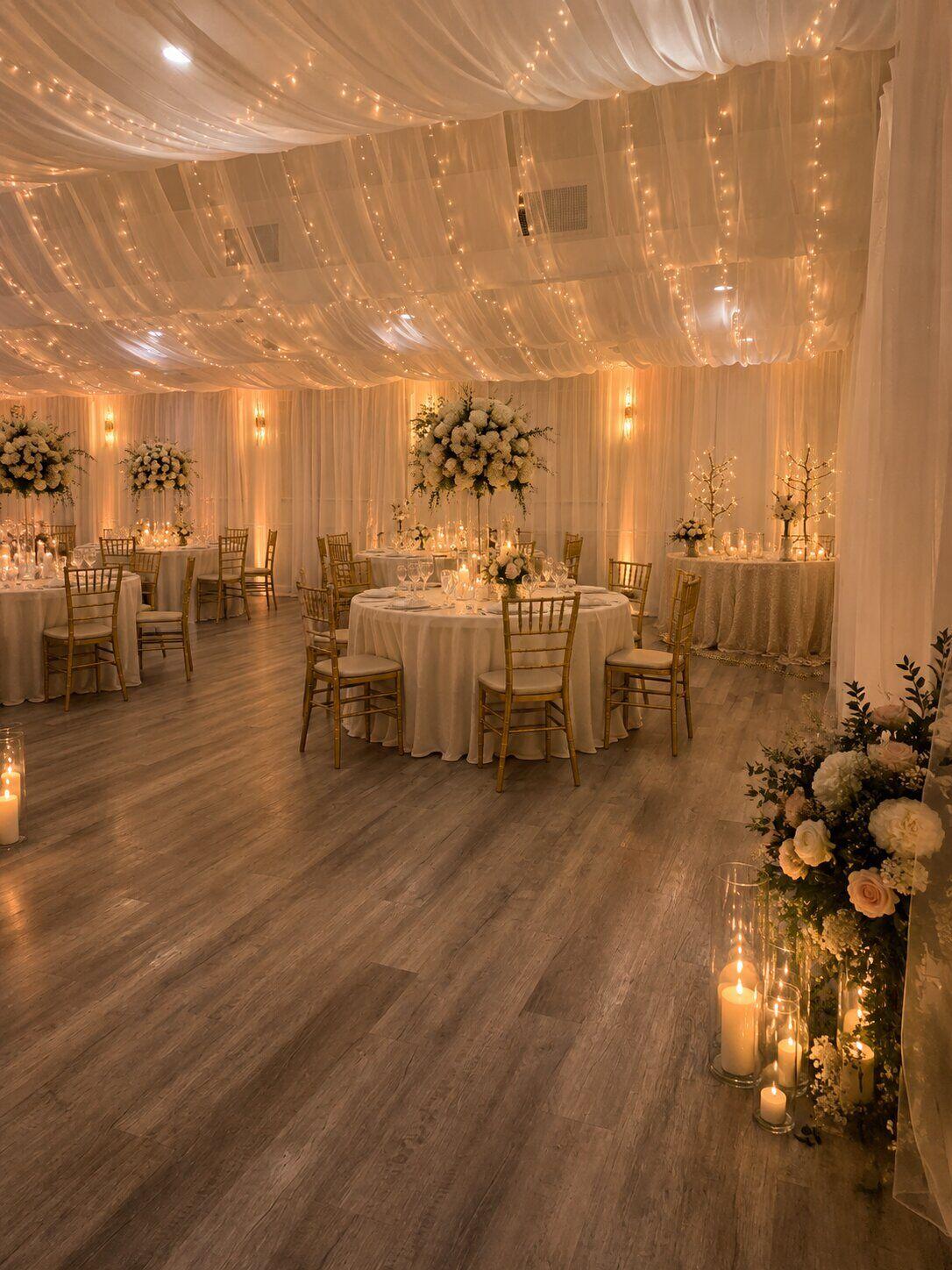
A realistic event budget is a decision tool, not a guess at what a nice party should cost. It shows how the guest count, service style, and schedule affect the total before you sign a contract. You do not need a complicated spreadsheet to begin. Make four columns: item, estimated amount, quoted amount, and person responsible. Add a notes column for what each quote includes and when payment is due. For a private event near Raleigh or in Benson, this approach makes it easier to compare genuinely different proposals without assuming that a lower room rate means a lower total event cost.
Set a ceiling and split fixed from variable costs
Start with the maximum total the hosts are willing and able to spend, including a reserve for changes. Then list fixed or relatively fixed items such as space, equipment, decor, photography, or entertainment separately from costs likely to move with guest count, such as meals, drinks, place settings, and invitations. Ask each provider which charges depend on head count and when that count becomes final. If contributions come from several people, record who is paying for which item and whether a contribution is confirmed rather than treating a verbal offer as cash already available.
Use an honest working guest number, not an invitation number adjusted by an optimistic guess about declines. Make a second version of the worksheet for the highest plausible attendance. That scenario shows whether the party remains affordable if most people say yes. It also helps you see whether trimming a decorative extra would matter as much as changing the meal format or guest count. A budget is useful when it makes tradeoffs visible early enough to choose, not when it merely documents overspending afterward.
- Create columns for estimate, written quote, due date, and payer.
- Run both expected and high-attendance scenarios.
- Keep a contingency line separate from money already assigned.
Make every proposal comparable
A venue quote may cover the room while another includes furniture or service. Ask for an itemized description of rental duration, setup access, breakdown, tables and chairs, linens, staffing, food, beverages, equipment, cleanup, and applicable charges. Note anything that must be sourced elsewhere and request those estimates too. Do not compare two headline figures until you have accounted for the same event in both spaces. In a spreadsheet, a blank cell should mean not yet confirmed, not free.
Havenwing Vineyards' 2025-26 private-event guide lists an $875 off-season Monday through Thursday rental figure, but that specific guide figure is not a complete event price and should not be assumed to apply to another date, layout, or service plan. The same guide describes a four-hour event plus one hour for setup and breakdown and up to 150 base guests. Ask for current, date-specific terms and an itemized proposal before using any guide number in your worksheet. Do not estimate unquoted fees as if they are established facts.
Connect the budget to a real timeline
Schedule choices drive costs. A long reception may require a different food plan from a short dinner, and adding a ceremony, speeches, or entertainment affects staffing and equipment. Build a simple run of show before finalizing quotes so providers know what they are pricing. Ask when deliveries can arrive and whether setup and breakdown fall within the permitted access period. If your plan depends on an outdoor space, ask what the alternative layout changes in staffing, furniture, or equipment. Record only confirmed changes as numbers; leave open items flagged for follow-up.
Add a payment calendar with the amount, due date, payee, and who is responsible. Review cancellation and change terms before paying anything, especially final guest-count deadlines and what happens if plans change. Do not assume a deposit amount, refund policy, or extra time is standard across venues. Keep contract versions and invoices together so the budget reflects signed agreements rather than early estimates. Update the sheet whenever a quote changes, and note why, so a co-host can understand the current total without retracing every email.
Use the worksheet to make better choices
Once you have estimates, sort items into essential, important, and optional. Essentials might include an accessible space, sufficient food, and transportation information; optional items vary by occasion. If the total exceeds the ceiling, choose a change that preserves the event's purpose rather than trimming every line a little. A different date, smaller guest list, simpler menu, or shorter program may have more impact than eliminating the one personal detail the host cares about. Ask vendors to revise proposals for the same clearly described event so the comparison stays fair.
Before booking, review the worksheet with the payment decision-maker. Check that each line has a quote or explicit question, applicable charges are addressed, and contingency remains uncommitted. Revisit it after RSVPs close and before final payments. The point is to identify assumptions early and understand costs before guests arrive.
Frequently asked questions
What should be included in a private-event budget besides venue and food?
Consider beverages, staffing, equipment, furniture or linens if not included, decor, transportation, invitations, applicable charges, and a reserve for changes. Confirm each line against written proposals.
Should we use a published guide price as our final event budget?
No. A guide figure may refer to a particular season, weekday, or rental component. Request a current proposal for your date, guest count, schedule, and services.