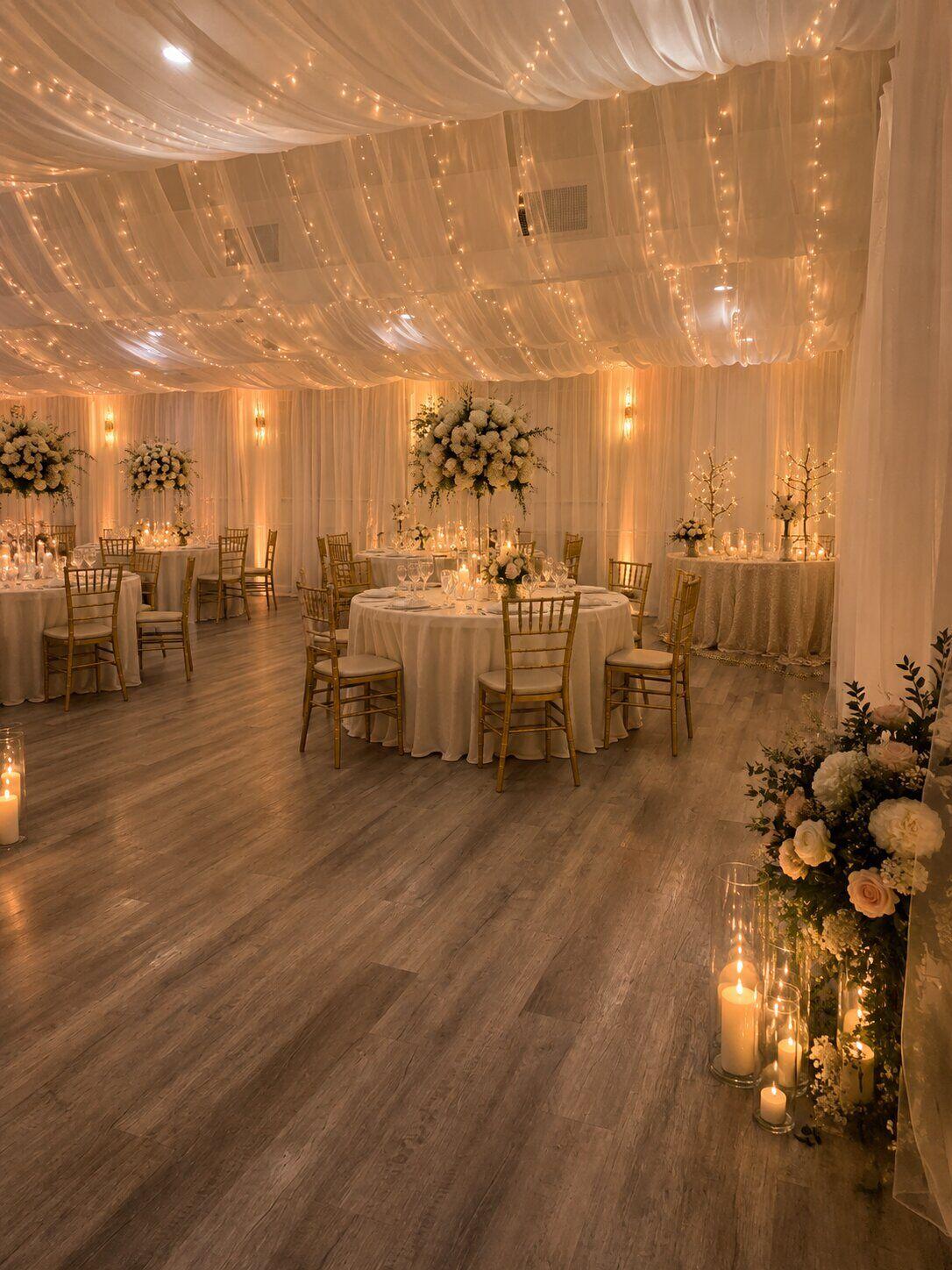
An engagement party does not need to resemble a miniature wedding. It can be a casual gathering where two families meet, a dinner with close friends, or an afternoon toast. The hosts' most useful job is to create a comfortable setting for the couple and their guests, not to fill the room with traditions the couple did not request. This checklist helps you make decisions in an order that avoids awkward invitations, unclear expectations, and a program that crowds out conversation.
Ask the couple what they want to share
Before choosing a date, ask whether the couple wants a party at all and what kind of attention feels good to them. Some couples are ready to discuss wedding plans; others have made no decisions and would prefer not to field questions about dates or budgets. Ask about preferred hosts, family dynamics, and any guests whose inclusion needs particular care.
Clarify whether the engagement party invitation list should align with a future wedding list. There is no need to announce wedding details that are not settled, but it is considerate to discuss expectations with the couple before inviting a broad circle. If the gathering is intended only for a small group, say so plainly in invitations rather than implying a larger celebration is coming.
- Let the couple approve the date, tone, and guest list.
- Agree on whether speeches or a toast are welcome.
- Avoid asking guests to RSVP to an unconfirmed wedding.
Choose a format that suits the people
A seated dinner helps relatives meet in small groups, while a reception allows guests to circulate. An afternoon gathering may suit families traveling from Raleigh or nearby communities better than a late evening. Pick a format based on guest mix, travel, and desired energy, then ask venues what floor plan supports it. Do not decide solely from an image of an empty room.
At a vineyard setting in Benson, consider how guests will arrive, where they will gather first, and whether any portion is outdoors. Ask about accessible routes and the indoor alternative for uncertain weather. Havenwing's private-event guide describes a four-hour event with one hour total for setup and breakdown; confirm the current schedule before filling the program.
- Count adults and children separately if both are invited.
- Reserve comfortable space for conversation, not only photo opportunities.
Write an invitation that answers practical questions
Include who is hosting, whose engagement is being celebrated, the date and time, address, RSVP method and deadline, and any attire or outdoor-footwear guidance. If food is a full meal, say so; if it is light refreshments, say that instead. A guest should not have to guess whether to eat beforehand.
A short invitation can also say whether gifts are expected. If the couple would rather skip gifts, use simple wording such as Your presence is plenty, after checking with them first. Collect dietary and access needs privately in the RSVP process. Avoid publishing anyone's medical information on a shared guest spreadsheet or announcing it to the group.
- Send one accurate location link and a contact for day-of questions.
- State whether children or additional guests are included.
- Keep RSVP responses in one place for the host and food team.
Plan food and toasts without overprogramming
Set a food service style that matches the length and time of the event. Ask the caterer or venue about current menu options, dietary handling, and the deadline for final choices. If family members want to bring a dessert or another special item, confirm outside-food rules first. Assign someone to take home any personal serving pieces.
A welcome and one short toast are often enough. Tell the designated speaker when to begin and how long to speak, and ask them to avoid revealing wedding details the couple has not shared. If there are games or activities, make them optional; guests should be able to enjoy the celebration simply by talking with the couple.
- Place the toast where it will not interrupt meal service.
- Assign a host to collect cards and personal items.
Prepare a simple day-of handoff
Make a one-page schedule covering setup access, vendor arrivals, guest welcome, food, any toast, and cleanup. Share it with the venue and everyone helping. Someone other than the couple should answer vendor questions and manage the weather decision. If guests are driving from different parts of the Triangle, leave a little flexibility for arrivals rather than making the toast the first thing that happens.
At the end, thank guests without turning the party into a wedding announcement session. Check the room for gifts, decorations, coats, and borrowed equipment. A successful engagement party leaves the couple with good memories and the freedom to plan whatever kind of wedding, or next step, makes sense for them.
- Identify one lead host and a backup contact.
- Share the final schedule rather than multiple draft versions.
- Plan who will deliver cards and keepsakes to the couple.
Frequently asked questions
Does an engagement party need a formal program?
No. A welcome and optional toast may be plenty. Let the couple's preferences and the guest mix determine whether any additional activity would actually help people connect.
When should hosts ask about dietary needs?
Include a private way to share them with the RSVP, then confirm how the food provider wants that information and when final meal details are due.