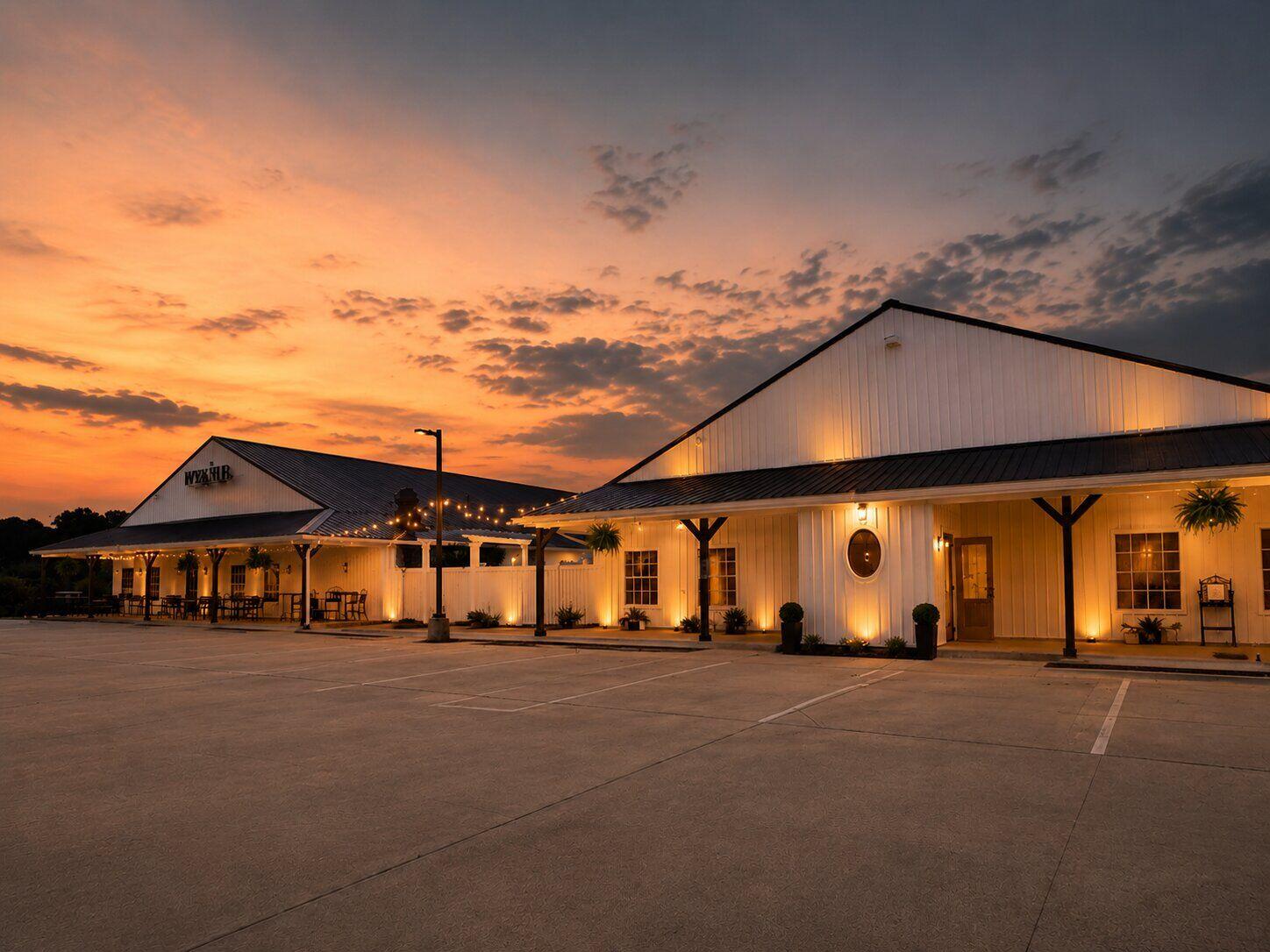
A family celebration can include grandparents, toddlers, out-of-town cousins, and people who need an accessible route. When fall weather shifts, simply moving everyone inside is not a complete plan. A useful rain backup accounts for the same people, food, activities, and arrival experience as the original layout. If you are gathering at a vineyard in Benson, build the alternate version while the event is still on paper, not while guests are driving in from Raleigh.
List what the outdoor plan is actually doing
Write down every element that depends on being outside: seating, photos, children's activities, a welcome table, food service, music, or a toast. Then identify which are essential and which could be removed without changing the purpose of the gathering. This prevents the backup from becoming an impossible attempt to squeeze the entire outdoor footprint into a smaller room.
Ask the venue what spaces are available for your event and request an actual alternate floor plan. Check the number of seats in the arrangement you intend to use, not just a general capacity figure. If your event is a private gathering, Havenwing's guide describes a base of up to 150 guests; confirm the current layout and terms that fit your particular headcount.
- Mark each outdoor item keep, move, change, or cancel.
- Include food stations and service paths on the indoor diagram.
- Identify where guests will wait if arrival happens during rain.
Walk the wet-weather guest route
Think from the moment a car pulls in. Where do people park, how do they find the correct entrance, and is there a sheltered place to pause? Ask about step-free access on the alternate route. If children or older relatives are attending, a short and clear path may matter more than preserving a particular view.
Check room temperature expectations and whether guests will need to cross between buildings or spaces. Shoes and outerwear may be damp; plan a sensible place for coats without blocking circulation. If you expect guests from the Triangle who are unfamiliar with Benson, give them the address, arrival instructions, and a day-of contact in advance.
- Test directional signs for the alternate entrance.
- Keep aisles clear for strollers and mobility devices.
- Locate restrooms relative to the indoor gathering space.
Choose a decision deadline and an owner
A weather decision affects staffing, furniture, food, photography, and vendors. Ask the venue when a change can still be made safely and what setup is required. Then assign one host or coordinator to make the call with the venue. Do not leave the decision to a group chat where no one knows whose answer is final.
Make a communication tree. Vendors need operational instructions; guests need to know where to go and whether to dress differently. If the forecast changes again after you commit to the backup, resist repeated reversals unless the venue says a change is workable. Consistency reduces confusion for everyone setting up the event.
- Set one time for the weather decision.
- Prepare a short guest message before it is needed.
- Tell vendors who will send the final layout.
Adapt activities instead of forcing a replica
An outdoor lawn game may not have a useful indoor equivalent. Replace it with something suited to the room, such as a table of family photos or a short storytelling prompt, if the family would enjoy it. Preserve the priorities: a meal, time together, and any milestone recognition. Do not overfill the backup room with decor simply because the original activities no longer fit.
Review sound and sightlines if a toast moves indoors. Speakers may be easier to hear, but a microphone or new cue might be needed depending on the space. Ask the photographer where indoor group portraits can happen without blocking food service. A backup that has its own rhythm often feels more natural than an exact copy of the original schedule.
- Choose one indoor-friendly activity before the event.
- Protect a clear area for family photos if they matter.
- Let the food team know if service timing changes.
Keep a final-day comfort checklist
Before guests arrive, walk the route with the person responsible for check-in. Confirm where to direct cars, where families can place coats, whether signs match the final plan, and which doors guests should use. Make sure every helper has the same answer. A simple welcome at the entrance can prevent a wet, confusing search for the party.
Leave time in the schedule for guests who arrive slowly during a shower. If the rain passes, enjoy any available outdoor moment only if the venue and schedule allow it; do not make a second move compulsory. The celebration does not fail because it happens indoors. It succeeds when the people who came to be together can settle in and participate comfortably.
- Keep the guest update brief and practical.
- Check lighting and signage before the first arrival.
- Assign a final sweep for umbrellas, coats, and gifts.
Frequently asked questions
When should I create the rain plan?
Create it while planning the initial layout, before invitations and vendor plans are final. That gives you time to confirm seating, access, food service, and the decision deadline.
What should guests hear if the plan changes?
Tell them where to arrive, whether the start time changes, what footwear or outerwear may help, and whom to contact with access questions. Vendors should receive a separate operational update.