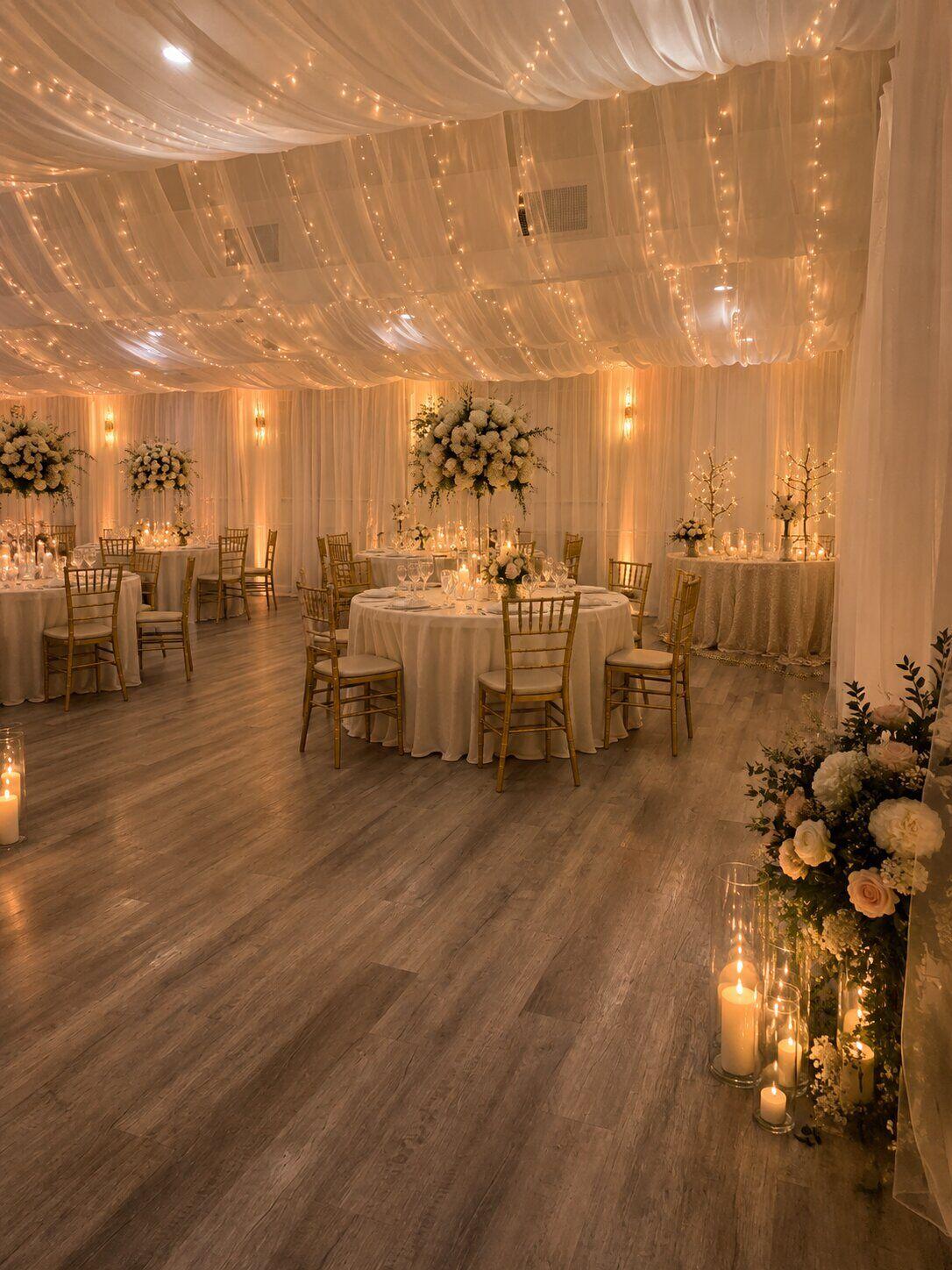
Two private event proposals can show similar headline numbers and still cover very different things. A room rental is commonly a charge for use of a space during a defined period; a food and beverage minimum is typically a spending threshold for eligible purchases. Neither structure tells you the final cost by itself. For a birthday, shower, nonprofit gathering, or family dinner near Raleigh, compare written inclusions and obligations before deciding which model suits your group.
Understand what each number means
Under a rental arrangement, ask what the space fee secures: which rooms or outdoor areas, how many hours, what furniture, and whether staff or cleanup are included. Food and drinks might be arranged through the venue, a permitted outside provider, or a separate agreement. Do not treat a rental fee as an all-in event quote.
Under a minimum-spend arrangement, clarify which purchases count toward the threshold. Ask whether taxes, service charges, gratuities, bar purchases, children's meals, and vendor meals count or are additional. Find out whether a shortfall must still be paid and what happens if the event orders more than anticipated. Get the explanation in writing, since policies vary by venue and event.
Build the same worksheet for both options
Create columns for space, date and time, guest count, food, beverages, staffing, furniture, audiovisual needs, service charges, taxes, and outside vendors. Enter only amounts or inclusions the proposal actually confirms. Put unknowns in a separate column rather than silently assigning them zero. This makes a less expensive-looking offer easier to scrutinize without pretending you know its final total.
Try a low, likely, and high attendance scenario. A plated meal, buffet, or light reception can change per-person spending dramatically, while a rental charge may stay fixed. Decide whether your group values flexibility in catering or the convenience of ordering within a venue's program, then compare the cost and planning work of each.
- Ask for an itemized proposal based on your actual menu and estimated attendance.
- Mark every charge as included, additional, optional, or still unknown.
- Check the policy for changes to head count and menu choices.
Check the clock and the guest limit
Time is part of the purchase. Havenwing's private event guide describes a four-hour event window plus one hour for setup and breakdown, with a base guest count of up to 150. Confirm how those windows apply to your particular event and whether vendor delivery, decorating, teardown, and guest departure must fit within them. Ask for any different arrangements in a current written proposal.
If you need speeches, a full meal, games, and dancing, sketch the schedule before selecting a format. A short event with an elaborate setup can strain the time available even if the guest count fits. Conversely, a simple gathering may not need every service offered in a larger package.
Read the operational terms
Review rules for outside food, alcohol service, music volume, decorations, insurance, staffing, and cleanup. Ask whether a minimum applies to a particular room or day and whether exclusive use is part of the agreement. If an event is outdoors, ask what alternate arrangement exists for rain and whether it changes the budget.
Also ask when the final count is due, what payment schedule applies, and what the cancellation and rescheduling terms say. These details matter more than a hypothetical bargain if your plans might change. Avoid relying on a verbal promise from a tour when the signed agreement governs.
Choose based on your real event
A rental can be appealing when you want to control several components yourself, but that control may bring vendor coordination and extra line items. A minimum can simplify some planning if the available food and beverage choices fit your event, yet it may not make sense for a group that expects to spend well below the threshold. There is no universally cheaper model.
Send both venues the same concise brief: date range, guest range, event hours, service style, and must-have amenities. Request comparable written proposals, then choose the one whose total obligations, logistics, and guest experience match your priorities. A clear contract is worth more than a low number with unanswered questions.
Frequently asked questions
Does a food and beverage minimum include tax and service?
Not necessarily. Ask which specific items count toward the minimum and which taxes, service charges, or gratuities are added separately.
Can we bring our own caterer with a rental?
Outside-vendor rules differ. Ask the venue whether external catering is permitted for your event and what insurance, kitchen, staffing, or cleanup conditions apply.