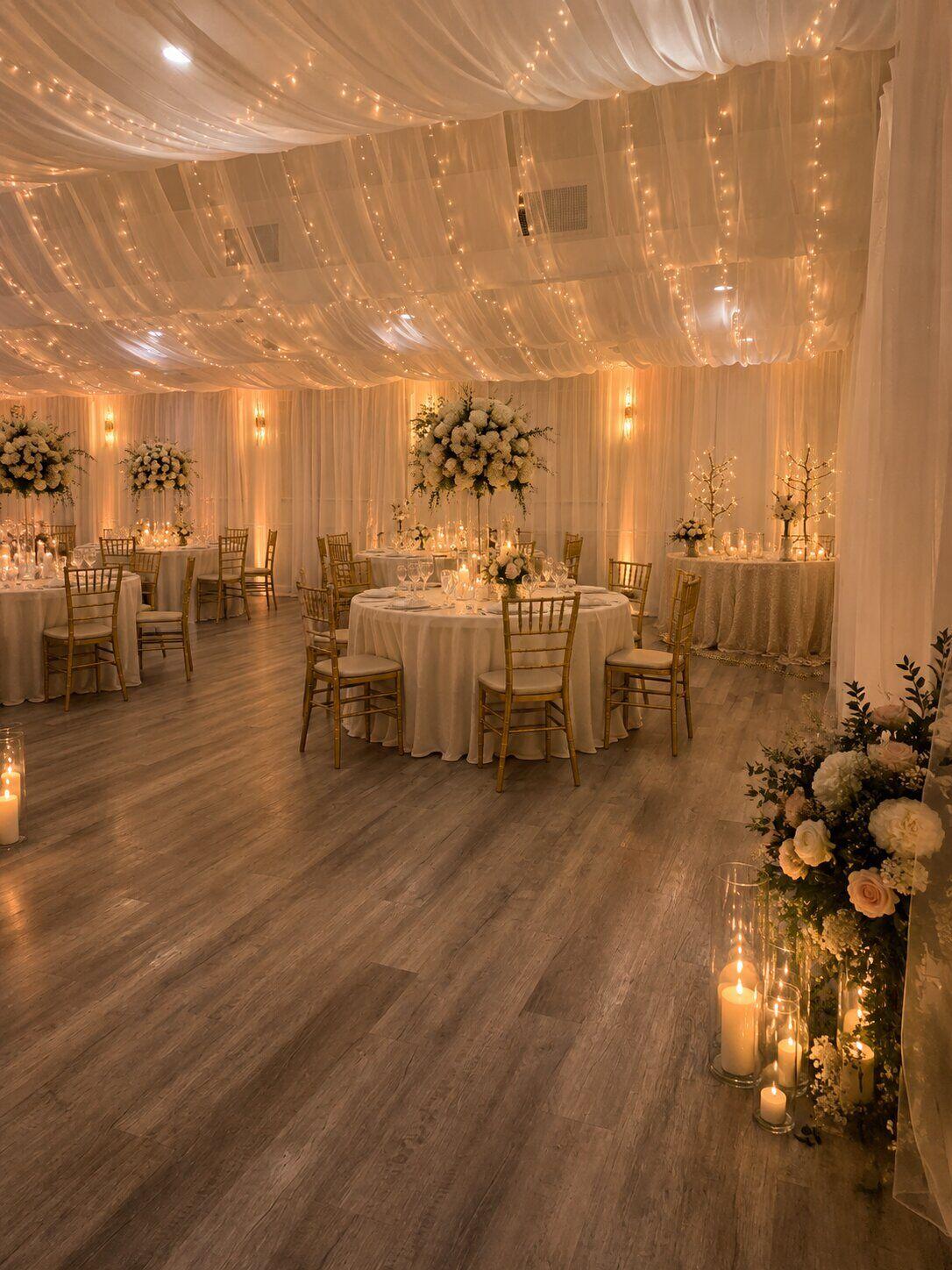
A private dinner succeeds when guests can eat comfortably and the host is not solving menu problems at the table. That takes more than picking dishes that sound appealing. Service style, allergies, timing, and how information travels from RSVP to kitchen all matter. Whether you are planning a milestone dinner or a small company gathering near Benson, start with the experience you want guests to have, then ask the food provider what can actually be delivered under the current event arrangement.
Begin with the pace of the event
Decide whether dinner is the main event or one part of a program with speeches, awards, or entertainment. A plated meal can give the evening a defined rhythm, while a buffet may offer flexible choices but requires a thoughtful queue and service schedule. Family-style service encourages conversation, provided the table layout and dietary plan support it. Ask which formats are available rather than assuming every menu can be served any way.
Make a draft timeline with guest arrival, first food, main course, any program, and departure. If guests are traveling from Raleigh after work, consider what they will need on arrival. Share the schedule with the catering and venue contacts early, because food timing depends on more than the printed invitation.
- Identify any speeches that should not overlap service.
- Leave time for clearing and conversation between courses.
Collect dietary information respectfully
Ask guests at RSVP whether they have food allergies, dietary restrictions, or a meal choice required for the selected format. Provide a private way to respond, and distinguish an allergy from a preference when forwarding information to the food team. Never decide that a guest can simply remove an ingredient from a finished dish without asking the provider.
Create a secure working list with the guest's name, request, and any clarifying question to resolve. Share only what the caterer needs to prepare and serve safely. Ask about ingredient information, cross-contact procedures, labeling, and who the guest should speak to on the day. If a provider cannot meet a particular need, tell the guest promptly and work out a specific plan rather than making a vague assurance.
- Set an RSVP deadline ahead of the provider's menu deadline.
- Avoid putting sensitive dietary notes on public seating displays.
Balance choice with a manageable menu
Ask what menu options are currently available, then choose a small group of dishes that works across your guest list and service format. More choices are not always more hospitable if they slow service or make allergens harder to manage. Consider a satisfying nonalcoholic beverage plan alongside food, and ask how beverage service is staffed and scheduled.
If the dinner marks a family tradition, describe the meaning of a desired dish before requesting it. The provider may be able to suggest an approach, or may tell you that it is not feasible. Confirm rules for outside cakes, homemade items, and vendor-provided food before ordering anything. Never presume that bringing a dish is permitted because the event is private.
- Ask for a written menu and service description.
- Assign an owner for any personal serving pieces or leftovers.
Make the dining space work for service
A good floor plan includes not only guest seats but also server access, water, food staging, and a route for clearing. Ask to see where a buffet or dessert display would sit in relation to doors and speeches. Guests should be able to move without cutting across a presentation or crowding someone using a mobility aid.
Consider how you will communicate menu choices. Place cards may help a plated service, while clear labels may help a buffet, but the provider should confirm the appropriate method for allergy requests. Make one person responsible for checking the final guest information against the seating plan. A last-minute table change should not cause a meal to be delivered to the wrong guest.
- Review the room plan after adding food and beverage stations.
- Keep food labels legible without treating them as allergy guarantees.
- Give service staff a clear point of contact.
Confirm the details before sending guests in
In the final week, follow the provider's deadlines for count and menu confirmation. Send one approved version of the schedule, food choices, and dietary list to the appropriate contacts. Verify who handles changes after the deadline and how the team will identify meals at service. This is also the moment to check whether weather affects dining locations or food transport.
On the day, the host should know whom to call, not attempt to manage the kitchen. Welcome guests, point them toward the correct service area, and let the designated team handle individual questions. After dinner, make sure gifts, special serving items, and personal decorations are collected. Thoughtful menu planning is mostly invisible when it works: everyone can simply enjoy the meal.
- Reconcile the final count with the actual seating plan.
- Ask the provider whom guests should approach about ingredients.
Frequently asked questions
How early should I ask guests about allergies?
Ask when collecting RSVPs, with enough time to clarify requests and meet the food provider's deadline. Confirm the provider's handling process rather than promising an accommodation yourself.
Should I choose plated or buffet service?
Choose based on the event's pace, layout, guest needs, and the formats your provider offers. Ask how each option handles queues, dietary requests, and speeches before deciding.