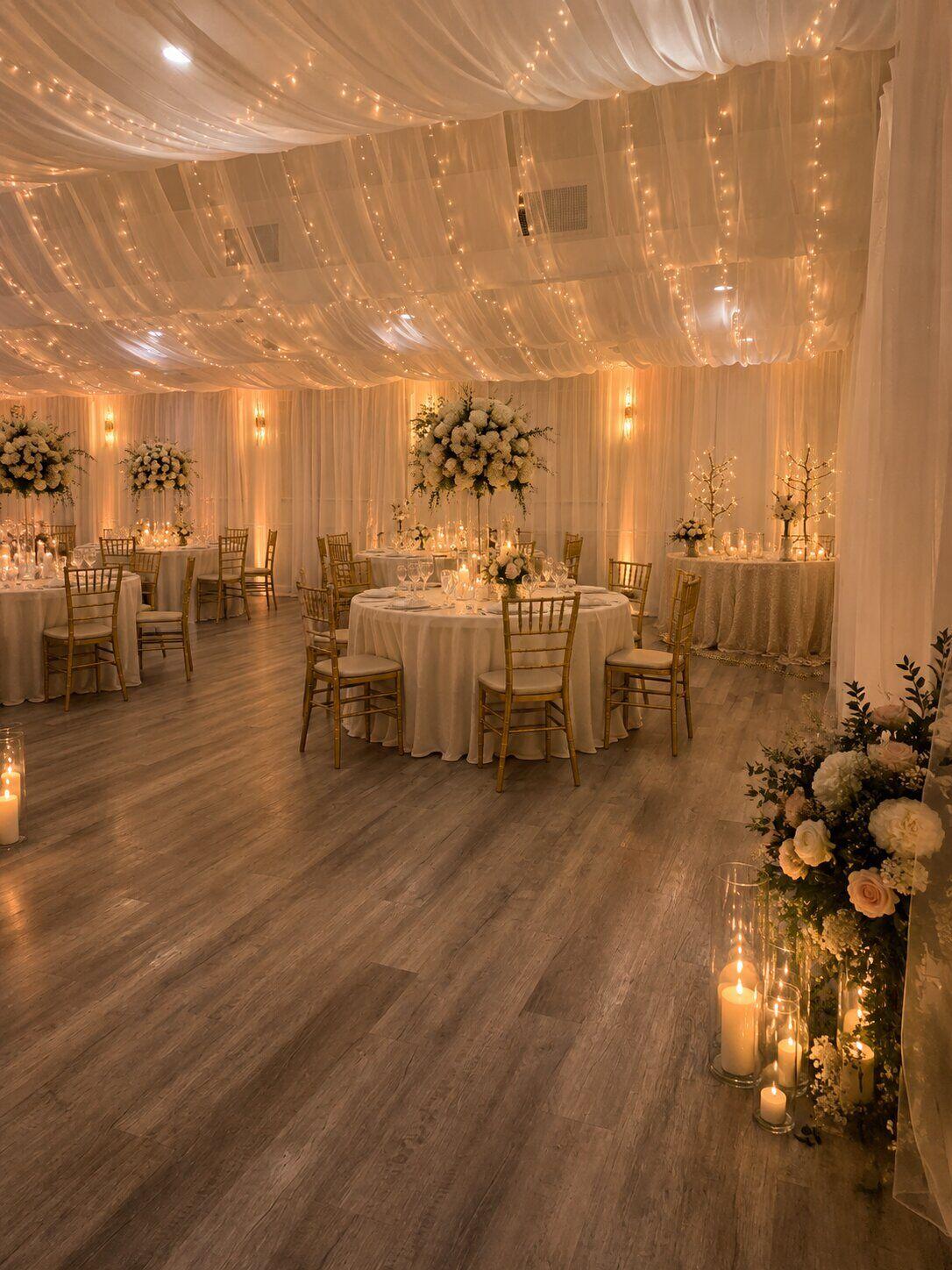
If you are considering a 2027 wedding, the first useful milestone is not choosing a color palette. It is agreeing on the experience, approximate guest list, and decisions that would make a venue workable for your people. This timeline is a planning framework rather than a claim about availability at any property. Couples looking at a vineyard in Benson can use it to ask better questions about travel from Raleigh, ceremony and reception flow, weather, and the responsibilities described in a current agreement.
Now: agree on the shape of the day
Talk about the kind of gathering you actually want: a small dinner, a larger celebration, a ceremony and reception together, or a reception after a ceremony elsewhere. Draft a guest range using real names, not a number chosen to fit a photograph. Note guests who may need accessible routes, child-friendly timing, or travel accommodations. Decide which elements matter enough to guide the venue search.
Choose several possible dates or seasons and identify true constraints, such as family travel or a meaningful date. Keep weather and daylight in mind without assuming any specific 2027 conditions. Establish a budget framework and determine who can approve a contract. Avoid announcing a date before you have confirmed venue availability and the terms you are comfortable signing.
- Make an initial guest list with a sensible range.
- Keep at least one date option flexible if possible.
During the venue search: ask the same questions everywhere
Send each venue the same brief: guest range, possible dates, ceremony and reception needs, food approach, and any accessibility concerns. Request a tour or detailed conversation about actual layouts, guest arrival, parking guidance, restrooms, and the route between event spaces. Capacity in a brochure is less useful than a floor plan for your intended dinner and dance arrangement.
Ask about the indoor alternative for every outdoor portion and the process for deciding when to use it. Compare what is included, what you need to arrange, and what is subject to separate approval. Have the venue explain current booking and event terms in writing. Do not apply terms from a different year or private-event guide to a wedding proposal.
- Bring your rough timeline and guest range to the visit.
- Walk the arrival route as a guest would.
- Save written answers to unresolved questions.
After selecting a venue: secure the planning foundation
Review the proposed agreement carefully before signing. Confirm the date, spaces, access and event windows, included items, payment schedule, cancellation or rescheduling language, vendor rules, and change process. If family members are contributing, agree on who makes final decisions so well-meaning helpers do not give conflicting instructions to the venue.
Then build a vendor priority list around dependencies. A planner or coordinator can help align other providers; catering requirements may affect the floor plan; photography timing depends on daylight and ceremony schedule. Confirm any venue approval requirements before signing outside-vendor contracts. Keep one shared folder for the signed agreement, approved layout, and contact information.
- Separate confirmed inclusions from ideas still being discussed.
- Record vendor access requirements as bookings are made.
Several months out: turn ideas into an operating plan
Draft the ceremony-to-departure sequence with realistic transitions. Decide where guests will wait, how dinner is served, when portraits happen, and whether speeches compete with service. Share a draft timeline with the venue and vendors, then revise it when they identify conflicts. For fall dates, check the actual sunset time and make a complete weather plan; for any season, plan guest comfort rather than relying on a forecast.
Send invitations with an RSVP process that collects dietary and access needs privately. Provide clear directions for guests coming from the Triangle or farther away and avoid promising transport or lodging arrangements that are not confirmed. If you have a wedding website, keep its timing and address aligned with the current event plan.
- Set RSVP deadlines ahead of vendor final-count deadlines.
- Check both primary and backup layouts with your providers.
- Make travel information easy to find in one place.
Final weeks: confirm, communicate, and enjoy
Collect the final guest count according to your agreements and send one approved timeline to vendors. Include contacts, arrival windows, setup locations, ceremony cues, weather decision timing, and breakdown responsibilities. Ask everyone to acknowledge changes that affect their work. Make sure someone other than the couple can resolve routine questions on the day.
Give family and wedding-party members only the information they need: where to be, when, and whom to ask if something changes. Plan who gathers gifts, personal decor, and borrowed items afterward. Once the core decisions are made, resist adding a new activity merely to fill a gap. A thoughtful 2027 wedding plan leaves enough room for the couple and their guests to experience the day.
- Print a final timeline for the day-of lead.
- Assign owners for load-out and a final belongings check.
Frequently asked questions
Is it too early to ask about a 2027 wedding date?
You can inquire when you have an approximate guest range and a few date options. Availability and booking terms must be confirmed directly with each venue; do not assume a particular date is open.
What should I bring to a first venue tour?
Bring your guest range, preferred dates, must-have activities, rough schedule, access questions, and a list of services you need clarified. A final design is not necessary.