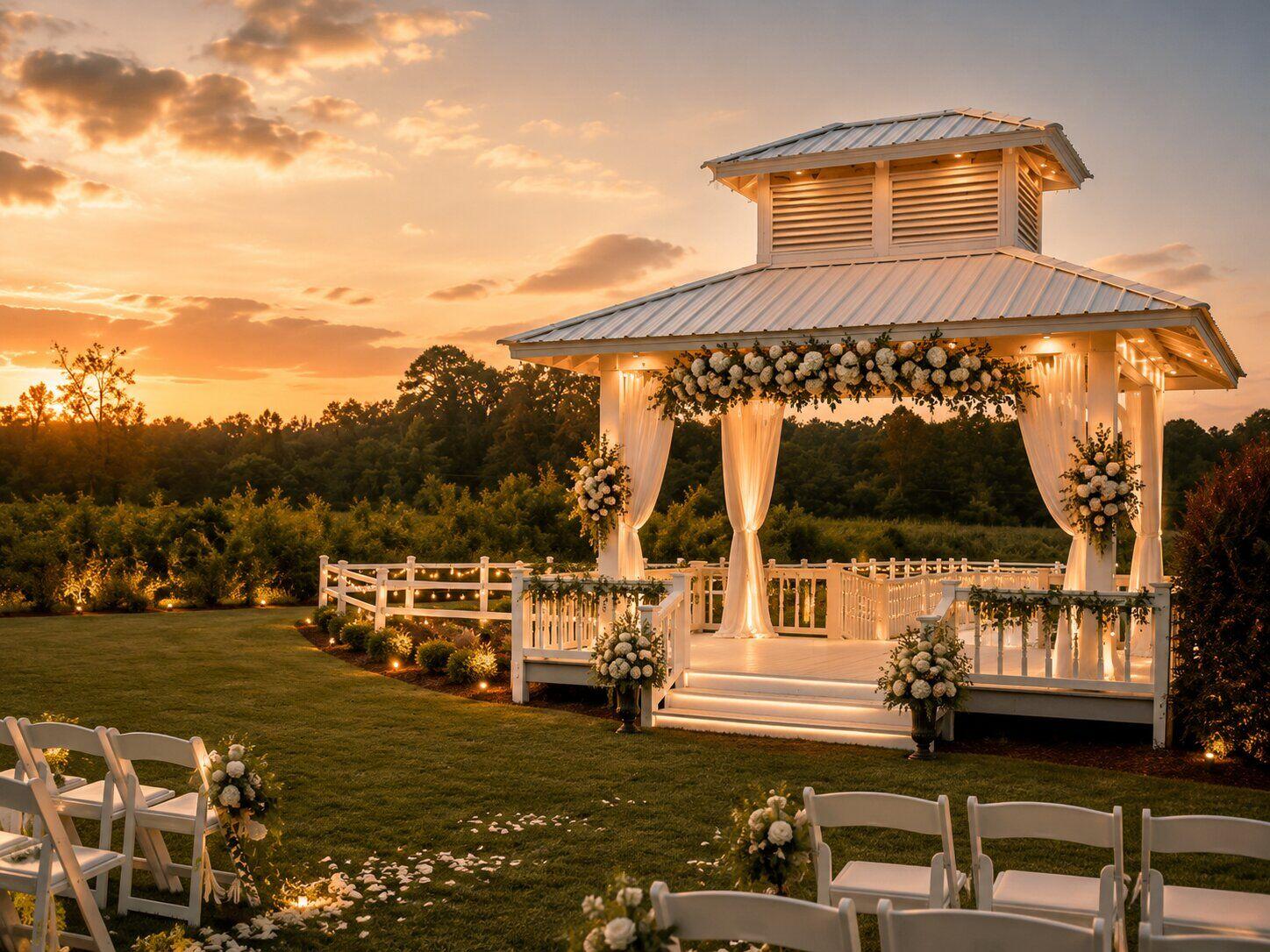
A company holiday party budget is a planning tool, not a single venue number. It should account for who is coming, what experience the team wants, and which costs belong to the venue, caterer, employer, or outside providers. Start with a spending ceiling approved by the right person, then build a scope that fits it. For teams considering a Benson venue near Raleigh, travel and the timing of a workday event can matter as much as the menu.
Decide what the company is funding
Write a one-sentence purpose for the event: recognition, connection across teams, a dinner for employees and partners, or a casual seasonal mixer. Then identify who is invited and whether the company covers guests, transportation, prizes, or activities. A budget for employees only cannot be compared fairly with one that assumes every employee brings a guest.
Set an estimated range, not a falsely precise attendance number. Use your current team roster, expected participation, and a realistic buffer for changes. Decide who has authority to approve the total and whether different departments are contributing. A written scope reduces awkward mid-planning requests for additions that no one has authorized.
- Separate must-haves from optional enhancements.
- Name the person who signs off on scope changes.
- Document whether the budget includes guest transportation.
Use categories that reveal hidden work
Make rows for venue and space, food, beverages, service staff, furniture or rentals, entertainment, audio and visual equipment, decor, invitations, transportation, and any required insurance or staffing. Add a contingency category for unknowns without pretending it is a vendor fee. Each quote should show what is included, what is separate, and what remains unanswered.
Keep documented amounts distinct from estimates. Do not use a generic online price as if it applies to your date or guest count. Ask for a current written proposal based on your exact event brief, and review applicable taxes or other charges only as stated in the proposal. If a package bundles items, note the bundle without double-counting them.
- Use one worksheet for all proposals.
- Flag missing categories rather than entering zero.
- Update estimates when headcount or service style changes.
Check time and attendance assumptions
A budget should reflect the length of the guest event and the time needed to set up and clear the space. Havenwing's private-event guide describes four hours for the event with one hour total for setup and breakdown; ask for current corporate-event terms appropriate to your plan rather than treating those private-event terms as a universal quote. Map the program before comparing offers.
Be explicit about the final-count deadline and what happens if attendance changes. Ask vendors how their pricing or scope responds to headcount and menu revisions, without assuming flexibility that is not written into the agreement. An early RSVP process gives you a better estimate, but the contract controls when numbers become final.
- Keep invitation count, expected count, and contracted count separate.
- Compare proposals using the same service hours.
- Avoid promising an agenda until access times are confirmed.
Consider the cost of the guest experience
If employees are coming from offices around Raleigh, think through travel time, parking, and how attendance fits the workday. Ask whether the proposed schedule causes people to drive during the busiest part of their commute. If alcohol is included, discuss safe travel planning and beverage alternatives with your team; do not assume a shuttle or rideshare arrangement exists.
Spending on an experience only makes sense if people can participate. Ask about accessible routes, dietary communication, seating for those who need it, and whether a loud activity will leave space for conversation. Sometimes a shorter, well-fed gathering is more effective than a longer program filled with paid extras. Use employee needs to prioritize the budget, not just a photo gallery.
- Reserve a private way for attendees to share access needs.
- Confirm food choices before locking in decor extras.
- Check whether a presentation requires separate equipment or labor.
Approve, track, and close out
Before signing, circulate a short approval summary: venue, date, guest estimate, event window, included scope, outstanding questions, and total documented commitment. Read current terms for payments, changes, cancellation, and vendor requirements. Keep approvals in writing and designate one organizer to authorize additions. This is especially helpful when several managers have ideas after invitations go out.
During planning, update the worksheet whenever a decision changes the scope. After the event, reconcile the actual invoices against the approved version and note what you would repeat next year. That record is useful even if the next holiday party has a different format or location. A transparent budget helps the team celebrate without surprises for whoever pays the bills.
- Save the signed agreement alongside the latest budget.
- Record who approved every material change.
- Note lessons learned while the event is still fresh.
Frequently asked questions
Should I set a per-person budget first?
It can help test options, but also set an approved total ceiling and list fixed costs. A per-person figure alone may hide space, equipment, or staffing responsibilities.
How do I budget before RSVPs arrive?
Use an honest attendance range, request proposals based on the same assumption, and ask each provider when the final count is due and how changes affect the written scope.