A fiftieth birthday, a parent's seventieth, or a shared milestone deserves more thought than a party template. Ask how the guest of honor likes to spend time with people. Someone who loves conversation may prefer a seated dinner; someone who enjoys mixing circles might prefer a reception. For a Benson celebration bringing together local friends and guests from Raleigh, balance personality with travel, comfort, and a clear end time. Start by asking what the honoree wants to remember.
Choose the format before the decorations
Decide whether this is a surprise, a collaborative celebration, or a party the honoree will help design. Surprises can complicate dietary planning, accessibility, and travel; do not protect the surprise at the expense of the person's comfort. Then choose the gathering style: brunch, dinner, open-house reception, or a meal with a short program. Match the format to how many people need seats at once and whether different age groups can participate comfortably. Write a one-sentence goal such as a relaxed dinner with stories from three friends. It helps keep later choices focused.
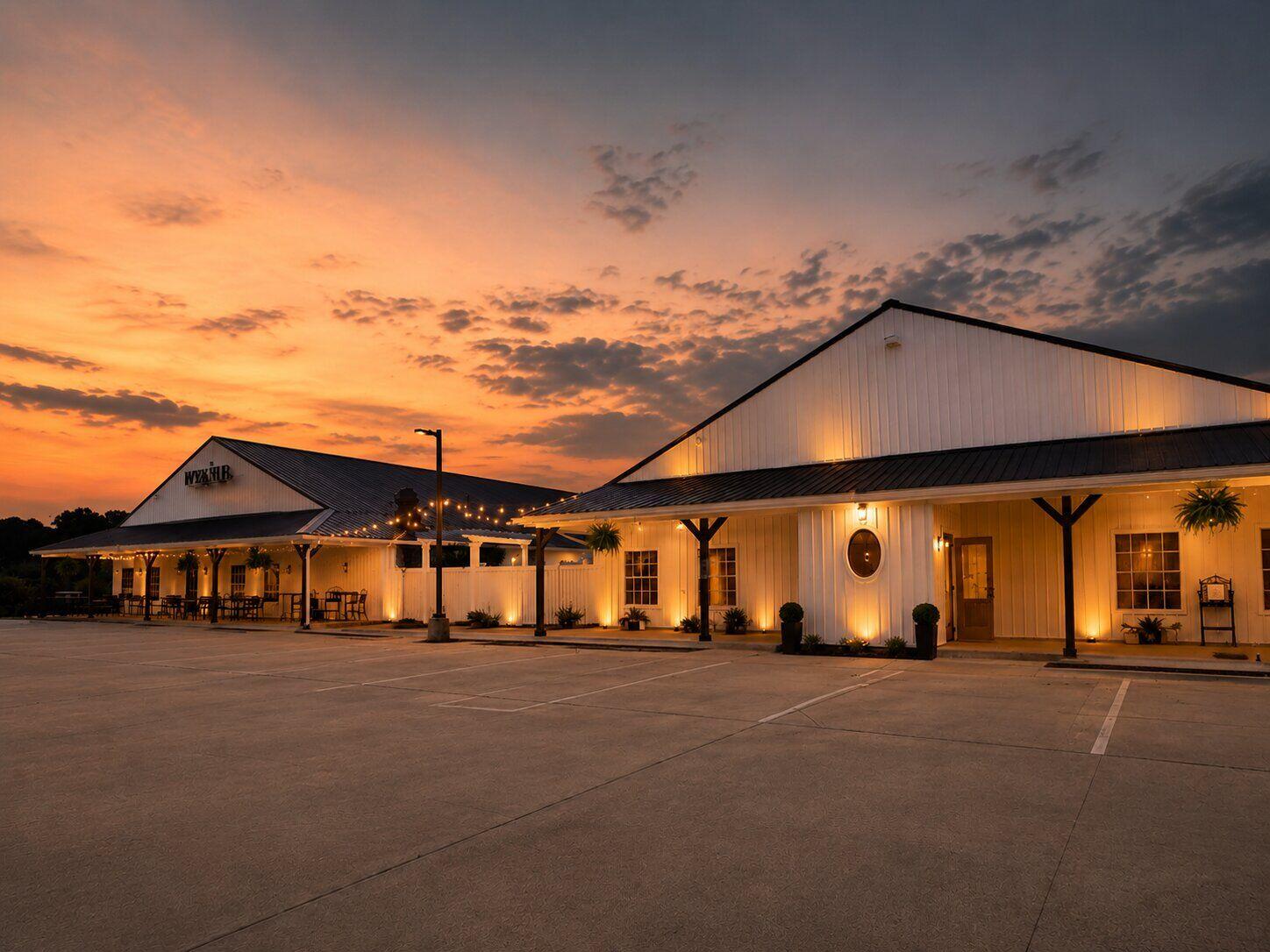
Before booking, estimate the actual count by household and note children, guests with mobility needs, and people traveling from farther away. Havenwing Vineyards' private-event guide describes up to 150 base guests and a four-hour event with one hour for setup and breakdown; confirm availability and the current terms for your specific celebration. Do not design a program that requires every attendee to stand throughout a long reception unless there are enough places to sit. Ask about parking, restroom access, room layout, and where guests can step away from loud music.
- Ask the honoree about preferred food, music volume, and surprise tolerance.
- Count seated guests and children separately from the total head count.
- Name one host to approve changes and answer vendor questions.
Put the guest of honor at the center of the program
A memory table, a few framed photographs, or a playlist drawn from the honoree's favorites often says more than an elaborate theme. Invite contributions ahead of time instead of springing an open microphone on guests. Ask each speaker for a short story and set a reasonable time limit; place the remarks before dessert so people are seated and attentive. If a slideshow is planned, confirm the screen, audio, power, file format, and a backup copy. Test it with the actual setup instead of assuming a phone will connect to unfamiliar equipment.
Leave room for people to talk. A milestone party can bring together coworkers, relatives, neighbors, and old friends who rarely meet. Assign a welcoming relative to make introductions and help guests find seats, especially if tables combine different circles. If gifts are not expected, say so plainly on the invitation; if the honoree prefers donations to a cause, give guests the details without making participation mandatory. A planned moment of recognition should feel like a gift to the person, not an obligation to perform for the room.
Make food and timing work for the whole group
Select a meal style that supports the desired pace. Seated service makes conversation and toasts easier to coordinate, while a buffet can offer variety but may need careful queue placement. Ask how allergies will be identified, which dishes are suitable for different diets, and how children will be served if present. Choose a dessert plan early: cake-cutting, plated sweets, or a small display each affects staffing and timing. Confirm who brings the cake, who stores it, and whether serving supplies are provided rather than assuming those details are automatic.
Build the run of show around arrivals, food, remarks, and departure. Travelers coming from Raleigh may benefit from a start time that does not demand a rushed drive after work. For an older honoree or multigenerational group, an earlier event may be more comfortable than a late night. Include a small buffer for late arrivals without making punctual guests wait too long to eat. Share the schedule with anyone speaking, bringing a special item, or taking photographs so the host is not managing surprises minute by minute.
Assign the unglamorous tasks
A host cannot load decorations, direct parking, collect gifts, and pay vendors at once. Assign setup, welcome, cards and gifts, music, vendor check-in, and final sweep. Ask what may be attached to walls or tables and how much setup and breakdown time is permitted. Label decoration containers with destinations and who takes them away. Simple logistics protect the relaxed atmosphere.
Before signing, request a list of what the venue provides and what you must arrange: furniture, linens, food service, beverages, equipment, and cleanup. Ask about weather alternatives for outdoor portions. Send guests the address, arrival time, parking notes, attire guidance, and RSVP contact. With those questions answered, the birthday can focus on the person being celebrated.
Frequently asked questions
How long should a milestone birthday party last?
Choose a duration that fits the meal, guest travel, and the honoree's energy. Draft a timeline first, then confirm that setup, the celebration, and breakdown fit the venue's terms.
Should we have speeches at a birthday party?
Only if the honoree would enjoy them. A few invited, time-limited remarks are easier on guests than an unplanned open microphone; a written memory collection is another option.