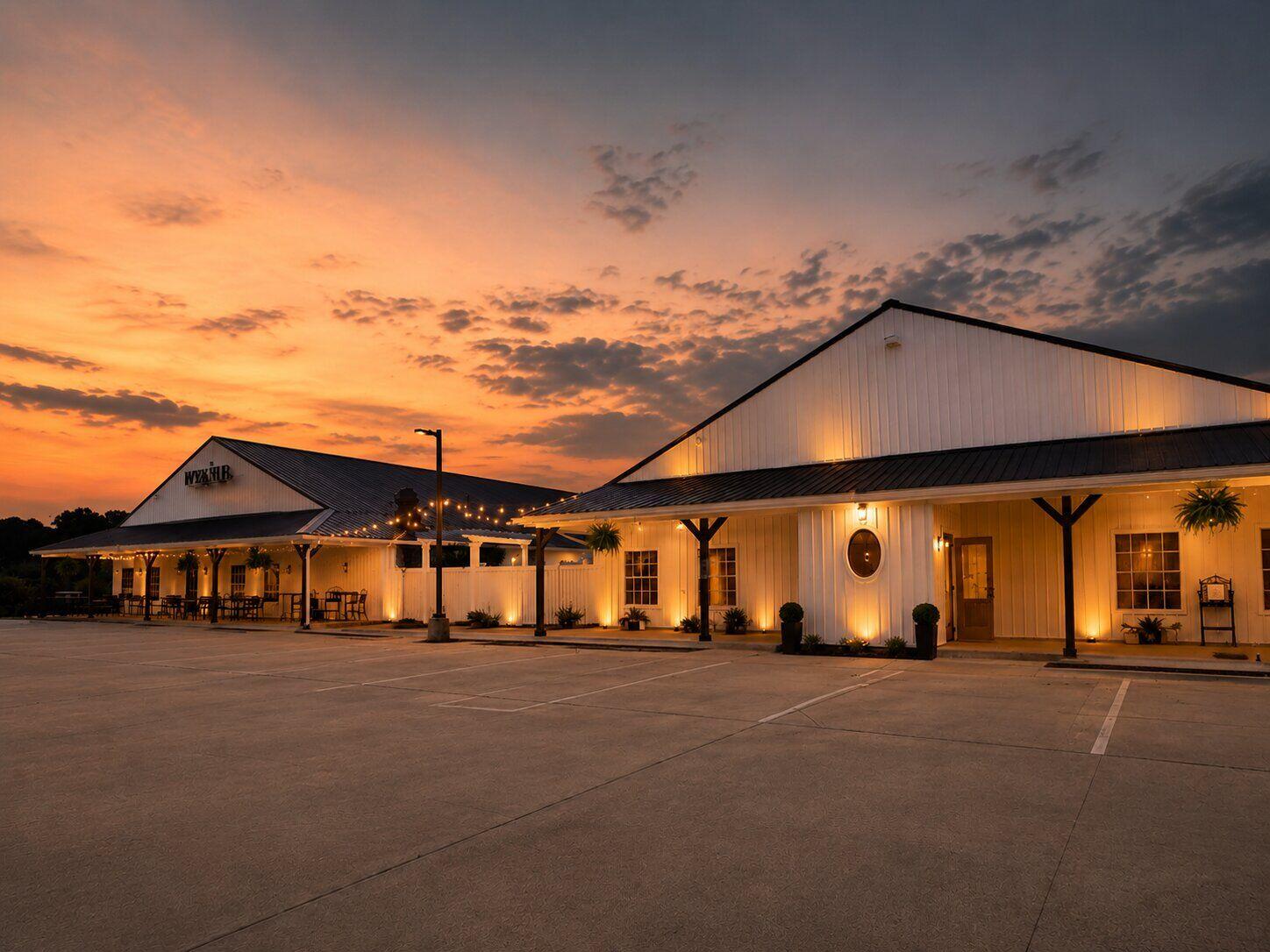
Spring brings changing light, new growth, and weather that rarely follows a wedding timeline. A useful rain plan is not a vague promise to move inside: it is a second version of the ceremony and reception that everyone can execute. If you are considering a vineyard celebration in Benson, build both versions before invitations go out. That way a forecast changes the location, not the entire experience guests came to share.
Confirm the actual alternate space
Ask your venue which covered or indoor location can accommodate your full guest count in the seating configuration you need. Verify whether the same space must also hold cocktail hour or dinner and how it would be reset. A room that fits a standing group may not fit an aisle, chairs, musicians, and accessible seating at the same time.
Request a simple floor plan for both weather versions, not just a photograph of the backup area. Mark the couple's entrance, family seats, microphones, restrooms, and any path guests take between spaces. Confirm whether the alternative is included or subject to separate terms in the current agreement.
Set one decision-maker and deadline
Agree on who reviews the forecast, who has authority to switch locations, and when that decision must be final. The deadline should allow chairs, decor, sound equipment, and vendor crews to move safely. Ask how the venue handles sudden showers after guests arrive, as that is a different situation from a forecasted all-day rain.
Put a short decision tree in your planning notes: which conditions prompt a switch, who calls each vendor, and which plan is the default if weather information is inconclusive. A calm process beats a group text in which several people make competing decisions.
- Name a primary decision-maker and a backup contact.
- Set a cutoff time with the venue and vendors, rather than guessing on the wedding morning.
- Keep the indoor ceremony essentials packed together for a quick move.
Design for the backup, not just the forecast
Choose decor elements that work in either location: movable arrangements, a compact ceremony focal point, and signage that can be repositioned. Ask the florist how flowers will be protected during transfer and the sound provider whether speakers and microphones need a different setup indoors. If outdoor pathways become muddy, decide how guests and wedding-party members will stay clear of soft ground.
Lighting can change when you move inside. Walk through the backup space at roughly your ceremony time if possible, then discuss photography and video needs with your professionals. A covered photo location, sheltered portrait timing, and a small towel kit are often more helpful than hoping for a perfectly timed gap in the clouds.
Keep guests informed without overloading them
Your invitation or wedding website can mention that the celebration will proceed with a weather alternative and tell guests where to check day-of directions. Once the location is decided, send one clear update identifying the correct entrance, parking area, and ceremony start time. Ask a trusted person, not the couple, to field arrival questions.
For spring temperatures, communicate practical attire guidance without prescribing every outfit. If any portion is outside, guests may appreciate knowing about lawn surfaces, potentially cool evenings, or an uncovered walk. Think particularly about guests with mobility aids, strollers, and children who need a dry place to wait.
Rehearse the revised timeline
Write an indoor version of the day that accounts for room resets and shorter portrait windows. Share it with the coordinator, caterer, photographer, musicians, and venue contact. Confirm where vendors may stage equipment and where guests will gather during transitions. A ten-minute move on paper can take longer when 100 people are looking for the same doorway.
Leave one flexible pocket in the schedule for delays, but keep the moments that matter: vows, a comfortable meal, and time with people you love. Rain may change the backdrop; it does not need to turn the day into an improvised emergency. The best backup is one you would still be happy to use. After the decision, let your photographer know whether any outdoor portraits remain possible without asking guests or vendors to wait in unsafe conditions.
Frequently asked questions
When should we decide to move an outdoor ceremony?
Ask the venue and key vendors for a decision deadline based on their setup needs. Record who makes the call and how everyone will be notified.
Should guests bring umbrellas?
You can suggest weather-appropriate layers or umbrellas, but do not make umbrellas the entire plan. Confirm covered routes, safe seating, and an alternate ceremony arrangement.