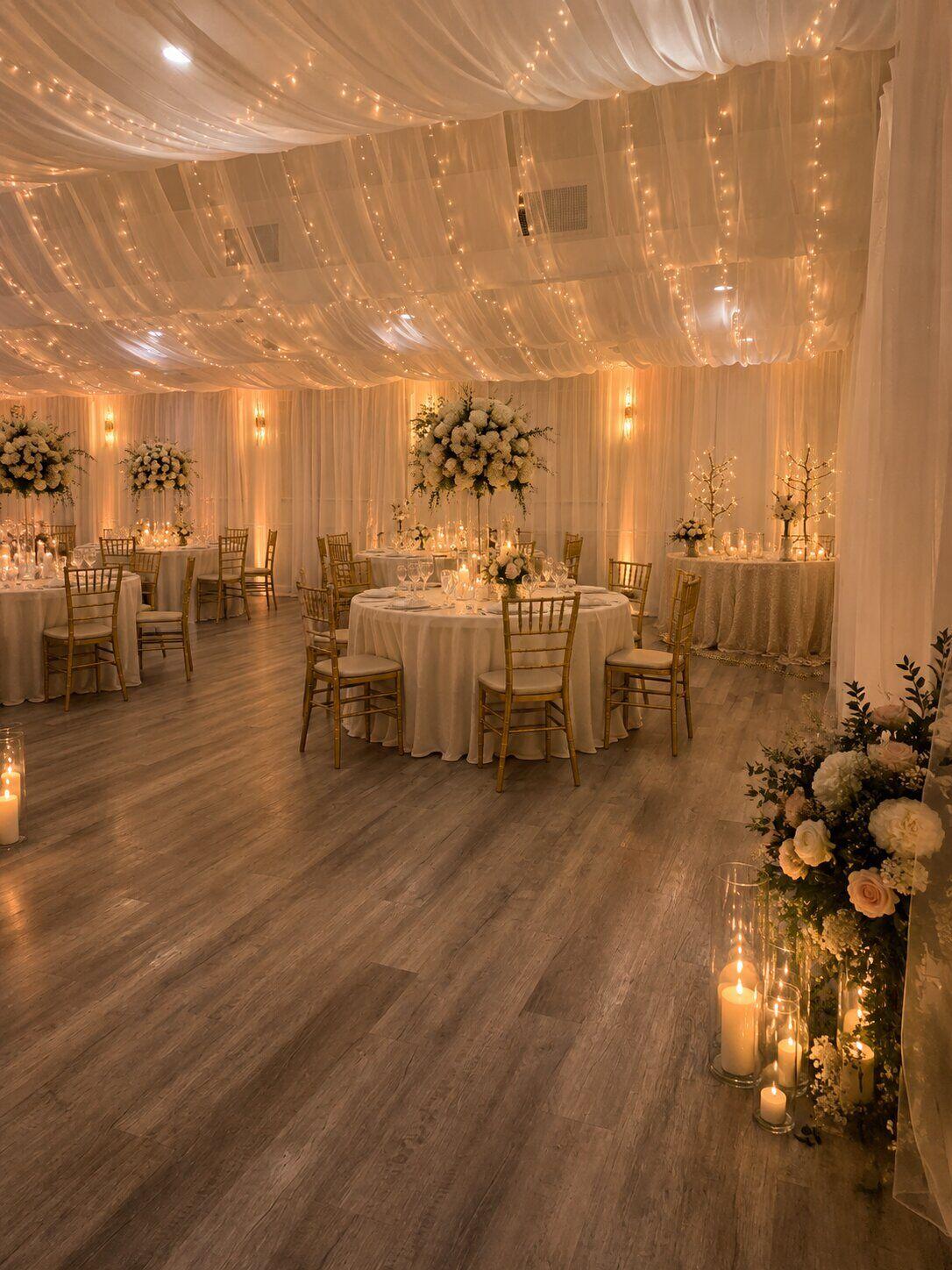
Fall can give a vineyard wedding a distinctive atmosphere, but a date on the calendar does not guarantee cool air, colorful vines, or clear skies. In Benson, couples should plan for the conditions they can manage rather than a particular photograph of autumn. The useful questions are where each part of the celebration happens, when daylight changes, how guests move, and what happens if the forecast turns. Start with those decisions before buying seasonal decor.
Design the day around the date, not a generic fall mood board
Check the sunset time for your actual wedding date and work backward with your photographer and ceremony team. A late-afternoon ceremony that looks spacious in early September can feel rushed later in the season. Decide which portraits truly need daylight, whether a first look makes sense for you, and how much buffer you need between the ceremony and reception.
Ask the venue to walk you through the spaces available for each part of the day and how a weather change would alter the route. Do not assume every vineyard image represents the same season or that foliage will peak on your date. Plan your palette around textures and colors you enjoy even if the landscape remains green or the sky is gray.
- Put the actual sunset time beside your draft ceremony time.
- Choose one indoor portrait location with your photographer.
Build a weather plan guests can actually follow
North Carolina fall can include warm afternoons, chilly evenings, rain, and wind. Ask what sheltered options are available for your ceremony, cocktail hour, and dinner, and which decisions must be made ahead of time. A backup should be a fully workable layout, not simply the word indoors on a spreadsheet. Review sightlines, seating, sound, and the transition between spaces.
Tell guests what to expect without making a forecast. If any portion may be outdoors, suggest suitable footwear for the surfaces they will cross and layers for changing temperatures. For guests traveling from Raleigh or farther away, make arrival and parking directions easy to find. Ask about accessible routes in both the preferred and backup plans.
- Confirm who has final authority to activate the backup layout.
- Set a communication deadline for the wedding party and vendors.
- Make sure directional signs work in either configuration.
Match food and decor to the flow of the evening
Seasonal inspiration works best when it supports service. If you want a harvest-inspired dinner, discuss actual menu options, preparation needs, and dietary accommodations with the catering team rather than building the schedule around an unconfirmed dish. Share known allergies clearly, and ask when the final guest count and meal choices are due.
Decor should earn its place. Low arrangements can keep conversation and views open at dinner; sturdy signage is more useful than a delicate installation that cannot handle wind. If candles, outside food, or complex installations are important to you, confirm the current rules before paying a vendor. Plan who will bring, place, move, and take home each item.
- Separate venue-provided items from rentals and personal decor.
- Check whether your floor plan allows comfortable service paths.
Give your vendors one shared plan
A photographer, florist, planner, music provider, caterer, and venue contact may all need different arrival times. Put them on one master timeline and note which tasks depend on others: the florist may need access before portraits, while sound checks should happen before guests arrive. Ask your venue about access rules and share them before vendors finalize labor or deliveries.
Write down the actual decision makers for the day. The couple should not have to settle where a vendor unloads during the ceremony. Have a designated coordinator route questions, manage the weather decision, and cue the major transitions. Make sure the wedding party knows which person to contact instead of sending conflicting instructions.
- Circulate one final version of the timeline to every vendor.
- Include addresses, contacts, access windows, and setup locations.
- Schedule a short cross-vendor confirmation before the wedding.
Leave room for people, not only pictures
A fall wedding can feel warm and intentional without filling every minute. Allow guests time to arrive, find seats, talk over dinner, and transition between spaces. If relatives have mobility needs or young children are attending, consider the distance between parking, ceremony, restrooms, and reception when selecting a layout. A beautiful plan that is hard to navigate is not a comfortable one.
Finish with a realistic departure plan. Identify when music ends, how guests will receive last-call or exit guidance if relevant, and who is responsible for personal items. Save one document with the approved schedule and backup plan so everyone is working from the same version. The best seasonal detail may be the quiet confidence that the essential logistics are handled.
- Add transition time instead of stacking events back to back.
- Arrange a final belongings check with your designated lead.
Frequently asked questions
Can I count on fall colors at a vineyard wedding?
No particular foliage or weather can be promised for a date. Build a design you like independent of the landscape, and ask your photographer to identify versatile portrait locations.
When should the rain plan be decided?
Agree on a decision process with the venue and your coordinator well before the wedding. Confirm the latest practical switch time, who makes the call, and how vendors and guests will be informed.