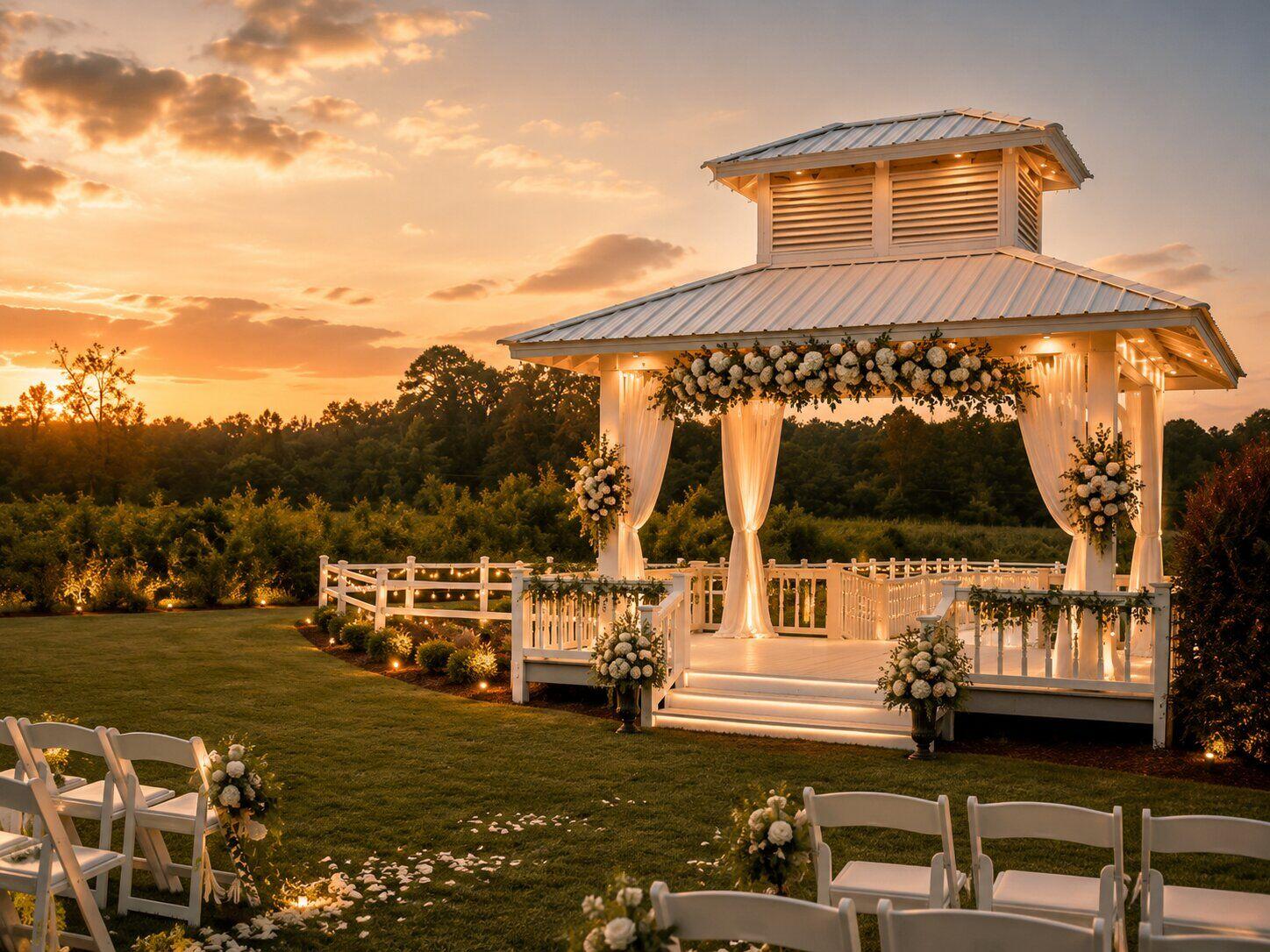
A holiday party can be a welcome pause in a busy year, but the easiest celebrations usually begin with unglamorous decisions: who is invited, how people will get there, and what the evening actually needs to accomplish. If you are considering a vineyard setting in Benson for a team or family group coming from the Raleigh area, use this checklist before you request a proposal. It will help you compare realistic options rather than simply collecting attractive photos.
Set the decision framework before contacting venues
Choose two or three workable dates and identify who can approve the booking. A Thursday gathering may fit a workplace calendar differently from a Saturday reunion, so ask guests or department leads about conflicts early. Decide whether the event is an appreciation dinner, an informal mixer, a program with speeches, or a combination; each format has different space and sound needs.
Make one working guest list with likely attendees, plus a separate count of people who might be invited later. Do not treat an invitation list as a final headcount. Havenwing's private-event guide describes a base of up to 150 guests, but you should confirm the appropriate arrangement and current terms for your particular event.
- Name one organizer who can consolidate questions and approve changes.
- Ask for a proposal based on the same estimated headcount everywhere.
Map the real event window
A rental window is not always the same as the hours guests spend together. Havenwing's private-event guide describes a four-hour event with one hour total for setup and breakdown. Ask how that time is shared, who may enter during setup, and when vendors must have everything removed. Do not plan a five-hour program inside a four-hour guest event.
Work backward from the desired end time. Allow for arrival, a welcome drink, food service, recognition or entertainment, and a comfortable exit. For December events, an early-evening start may mean guests arrive after dark. Discuss outdoor-to-indoor transitions, lighting, weather decisions, and the route from parking to the gathering space rather than assuming the property photograph tells the whole story.
- Draft a minute-by-minute outline before requesting a final schedule.
- Identify who will make the weather call and when.
Ask operational questions, not just aesthetic ones
Find out what spaces are proposed, how guests move between them, and whether your layout leaves room for a buffet, bar line, presentation, or dancing. A seated dinner and a cocktail-style reception can require very different floor plans at the same guest count. Ask for a layout appropriate to your specific mix of tables, activities, and accessibility needs.
Food and beverage planning deserves its own conversation. Share a rough service style and known dietary needs, then request details about menu deadlines, allergen communication, beverage service, and what outside vendors, if any, may provide. If you have a speaker or slideshow, ask about microphones, projection, internet expectations, power locations, and who operates equipment on the day.
- Request the proposed included items in writing.
- Clarify parking guidance and step-free routes for guests who need them.
- Ask where coats, gifts, and service supplies can go.
Compare the complete proposal
Before signing, compare line items and responsibilities, not just the headline rental figure. Does each quote describe the same date, event window, guest count, layout, food assumptions, and staffing? Ask what triggers a revised estimate and which decisions must be made by a deadline. A less expensive-looking proposal may simply leave more work for the host.
Read the cancellation, rescheduling, insurance, vendor, cleanup, and payment language in the current agreement. Avoid relying on remembered terms from another year or another event type. If you need flexibility because holiday attendance may change, ask how and when a final count is handled before making promises to guests or colleagues.
- Keep one comparison sheet with identical categories for each venue.
- Save the signed agreement and approved layout in one shared folder.
Close the loop with guests and your team
Once details are confirmed, send an invitation that gives the address, start and end times, attire guidance, RSVP deadline, and a contact for access or dietary questions. Guests traveling from Raleigh or elsewhere in the Triangle will appreciate clear driving and arrival instructions; do not assume everyone knows where Benson is. If alcohol will be served, encourage guests to plan a safe ride without presenting transport as something the venue automatically provides.
Assign day-of owners for check-in, vendor questions, speeches, and the final walkthrough. Then make a short contingency plan: who updates guests if weather changes, who handles a late speaker, and what can be shortened if dinner starts behind schedule. A modest, specific plan makes room for the celebration itself.
- Send one final information note shortly before the event.
- Give vendors the same approved schedule and point of contact.
- Keep a printed contact list accessible to the lead organizer.
Frequently asked questions
When should I start looking for a holiday party venue?
Start when you know your approximate group size and two or three possible dates. Ask about actual availability rather than assuming a season or weekday is open, and leave time to review the agreement before inviting guests.
What should a first venue inquiry include?
Share your preferred dates, estimated guest range, event purpose, desired food format, any presentation needs, and whether guests need accessible routes. That gives the venue a more useful starting point for a proposal.