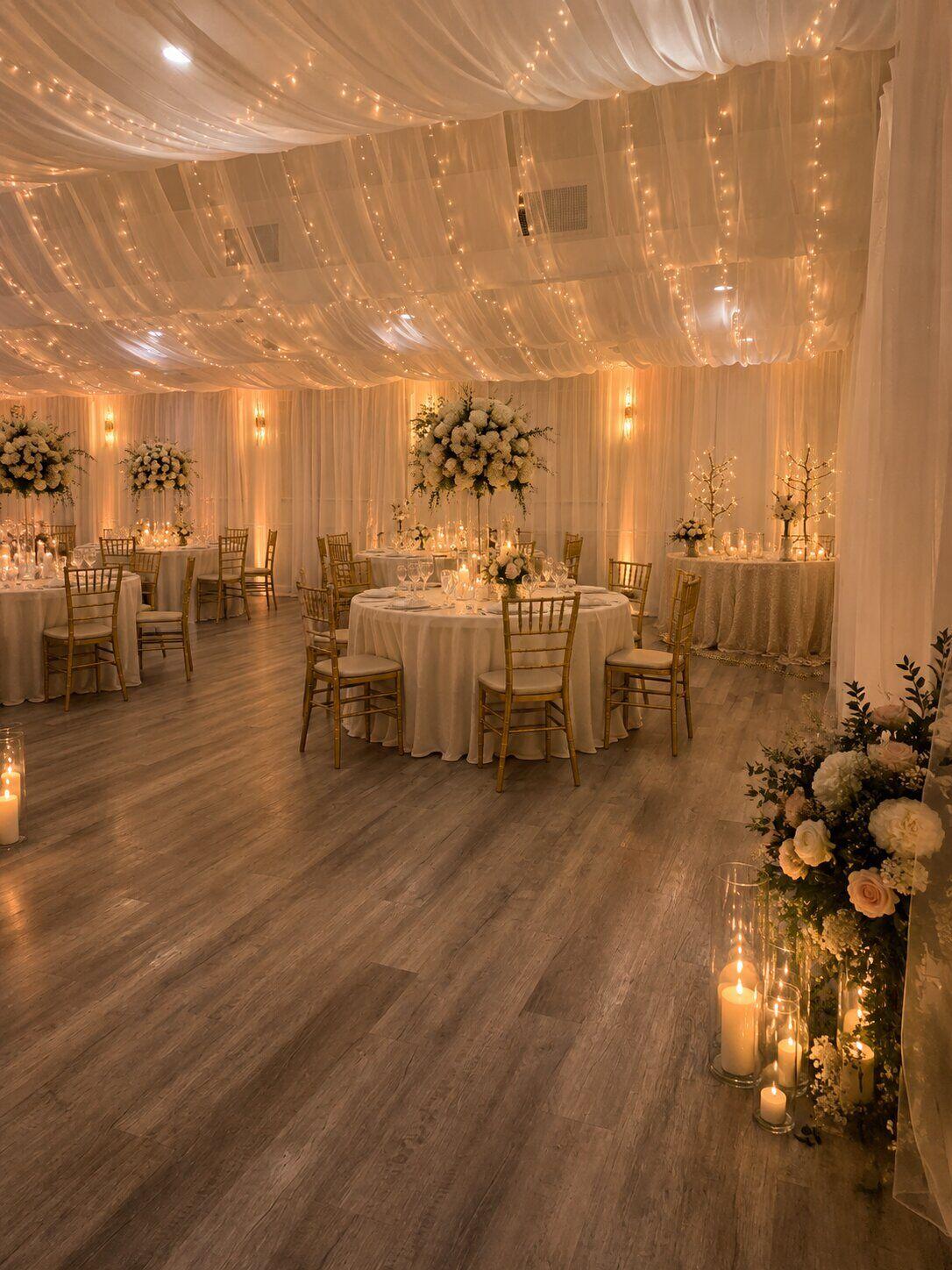
A company summer celebration can recognize a team without asking employees to solve a transportation puzzle or sit through an unexpected meeting. The strongest events have a clear purpose, a realistic head count, and a schedule built around people who may be leaving work, bringing family, or traveling from several offices. For a gathering in Benson near Raleigh, check travel and arrival logistics early rather than treating them as final-week details. Whether the event is a casual thank-you or a more structured awards evening, practical decisions determine whether employees can participate comfortably.
Decide what success means for this team
Write down the primary objective before selecting food or entertainment. Is the organization thanking employees, bringing remote teams together, welcoming families, or marking a project milestone? Those goals suggest different start times, seating plans, and program lengths. A networking reception is less helpful if the purpose is to include children; an awards dinner needs sight lines and working audio. Ask managers to identify scheduling constraints, but do not let the loudest department determine a time that excludes shift workers. Where possible, offer an alternative way to participate for people who cannot attend.
Be explicit about who is invited: employees only, plus-ones, children, contractors, or clients. Decide how RSVPs and dietary needs will be collected while respecting privacy. If attendance is expected as part of work, coordinate with HR on compensation, accessibility, and conduct expectations; do not describe a mandatory work event as purely optional. Set a realistic budget owner and approval process. Knowing who can sign off on a weather adjustment or an additional vendor prevents delays when a decision has to be made.
- State the event purpose and invited groups in one sentence.
- Set RSVP and head-count deadlines that match vendor requirements.
- Assign one person authority for day-of decisions.
Treat travel and arrival as part of the experience
Map the actual origin points of employees rather than assuming everyone starts in downtown Raleigh. Ask the venue about parking, drop-off, accessible routes, signage, and where guests should enter. Include the address and arrival instructions in the invitation, not only in a last-minute reminder. If transportation is arranged, request a written route, pickup time, passenger estimate, return plan, and contingency if someone misses the final departure. Give guests a direct contact for transport questions. Do not rely on a single vague promise that a shuttle will be available.
An event after the workday needs breathing room. Build in time for travel, check-in, and an informal welcome before any required program begins. If families are invited, explain what activities or supervision are actually provided rather than suggesting children will be entertained by default. Identify seating away from speakers and a quieter place for conversation if the layout allows. Accessibility is easier to plan before the room is filled with cocktail tables, games, and food stations.
Make weather and food decisions together
Summer heat changes how long people will comfortably stay outside and how food must be handled. Ask the venue for a realistic covered or indoor layout, the deadline for choosing it, and what happens to activities if the plan changes. Provide water and nonalcoholic beverages in easy-to-find locations. If games are planned outdoors, keep participation optional and offer seating and shade. A short recognition moment can be more effective than a long speech when people are warm, hungry, or watching young children.
Discuss the service format with the caterer in terms of traffic flow and timing. Stations may encourage movement but can produce lines if all guests are released at once. A seated meal can anchor a program but requires accurate seating and meal counts. Ask how dietary restrictions are identified discreetly and whether children's portions or vendor meals are needed. Confirm responsibility for service, replenishment, ice, cleanup, and any equipment. A summer celebration is not the occasion to discover that the team assumed beverages or staffing were included.
Close the loop after the event
Share a concise run of show with the venue contact, catering lead, company host, speakers, and transportation coordinator. Include arrival, food service, short program, last call for transportation, and breakdown milestones. Keep speeches to the promised length and communicate any photo policy to employees in advance. If the company plans to use images publicly, check its consent practices rather than assuming attendance equals permission. Have one person responsible for collecting company materials and checking the space before departure.
Afterward, ask a small set of useful questions: could people get there, was the schedule inclusive, did food meet dietary needs, and did the event serve its stated purpose? Avoid measuring success only by turnout; someone may have wanted to attend but could not make the time or trip. Capture lessons in a brief note for the next organizer. If evaluating Havenwing Vineyards for a company event, ask for current corporate-event terms, the specific layout, and service details before committing to a schedule or head count.
Frequently asked questions
Should a company summer event include families?
That depends on the goal and budget. Decide early, state exactly who is invited, and plan seating, food, timing, and child-related arrangements around the actual guest mix.
What should the weather backup cover besides rain?
Account for heat, humidity, wet ground, wind, food service, safe equipment placement, and accessible routes. Agree on the decision deadline with the venue and vendors.