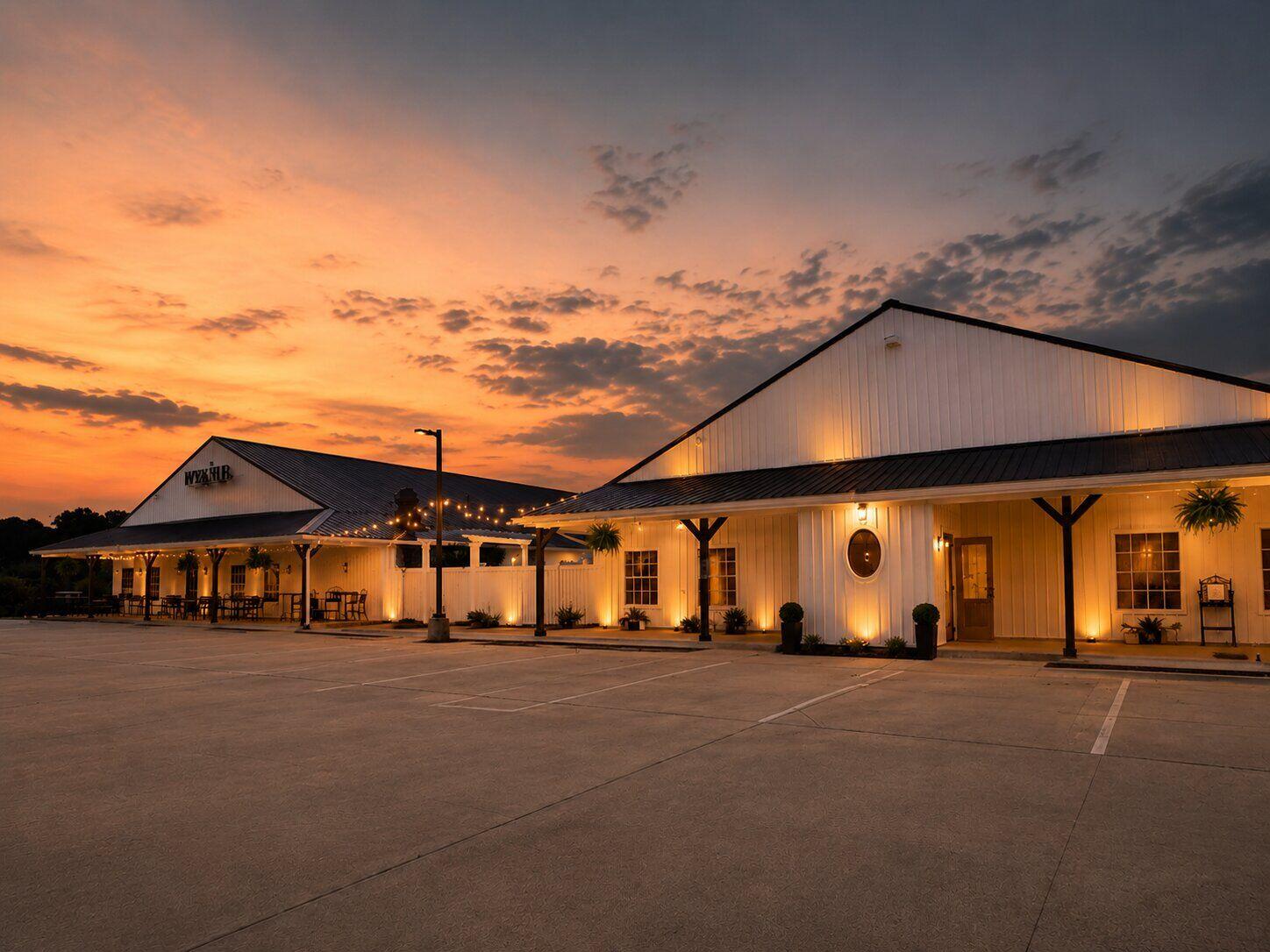
Taking a team away from the office is not automatically a retreat. The value comes from selecting work that benefits from shared attention, giving people room to participate, and leaving with decisions they can use. A Benson venue near Raleigh may provide a change of setting for Triangle-area teams, but the agenda still has to justify the travel. Start with one specific outcome, then build the day around it rather than filling every minute with speakers.
Define a result before choosing activities
Ask the organizer and team leads what would count as progress: agreement on priorities, a better cross-team process, an onboarding plan, or a chance to rebuild trust after a demanding quarter. Write the result as something observable. 'Improve collaboration' is broad; 'choose two handoff changes and assign owners' can guide an agenda.
Invite participants to submit questions or blockers beforehand. Use that input to distinguish decisions requiring the whole group from updates that could have been emailed. Respect attendance: if a person must travel, make their perspective relevant to the work rather than asking them to sit through unrelated presentations.
Budget travel and arrival time honestly
Send the venue address and arrival instructions early, especially if colleagues are leaving from different parts of Raleigh, Durham, or the Triangle. Ask attendees to plan for traffic variability without presenting a single drive-time estimate as a guarantee. Schedule a soft arrival period for coffee, orientation, and equipment checks so the first substantive session does not depend on every car reaching the property simultaneously.
If participants use a shuttle, identify a pickup lead, a departure time, and an accessible option for those who need it. Ask the venue where buses may unload and whether arrivals can be directed to the correct entrance. Make the return plan as explicit as the morning arrival.
- Share one address, parking guidance, and a day-of contact.
- Confirm Wi-Fi and audiovisual requirements rather than assuming them.
- Tell attendees what to bring and whether the session includes outdoor time.
Alternate focus with movement
A practical half-day pattern is an opening question, one focused working block, a break, a small-group exercise, a shared decision, and lunch or a closing conversation. Longer days can add another work cycle, but leave time for transitions. People need to stretch, check urgent messages, and absorb information before being asked for another creative answer.
Consider a short outdoor walk or change of scenery only if it fits the weather and every participant can join comfortably. Never make a physical activity the price of inclusion. Offer an equivalent seated option, and arrange a quiet place for anyone who needs a pause.
Plan food and facilitation together
Ask participants about dietary requirements privately and share only what the food provider needs to know. Put meals at natural transition points rather than squeezing a buffet between two decision sessions. Water, coffee, and a clear break schedule can do more for attention than an elaborate menu served at the wrong time.
Give each session an owner who knows its purpose, time limit, and output. Have someone else capture decisions so the facilitator can listen. For contentious topics, collect perspectives before group discussion and define how a choice will be made. A retreat should not become a long meeting whose conclusions evaporate on the drive home.
Close with owners and next steps
End by naming decisions, unresolved questions, responsible people, and dates for follow-up. Send a short recap to attendees soon after the event. Keep the next steps small enough to survive the return to ordinary calendars; a list of twenty initiatives is usually less useful than two actions with clear owners.
When requesting a venue proposal, specify head count, layout, meeting hours, meal plan, presentation needs, and whether any social time follows the working session. Confirm space access and service details in writing. Havenwing's location in Benson may suit a team seeking distance from the usual office setting, but the strongest reason to gather is a well-designed conversation. If some colleagues cannot attend, decide how their input will be collected before the event and how results will reach them afterward. That keeps a retreat from creating an information gap between travelers and the rest of the team.
Frequently asked questions
How much of a retreat should be unstructured?
Protect time for breaks and informal discussion, but define the key decisions first. The right balance depends on whether your goal is planning, training, or relationship-building.
What should we ask a retreat venue?
Confirm seating layouts, audiovisual support, connectivity, food arrangements, accessible routes, schedule limits, and a weather alternative if activities are outside.