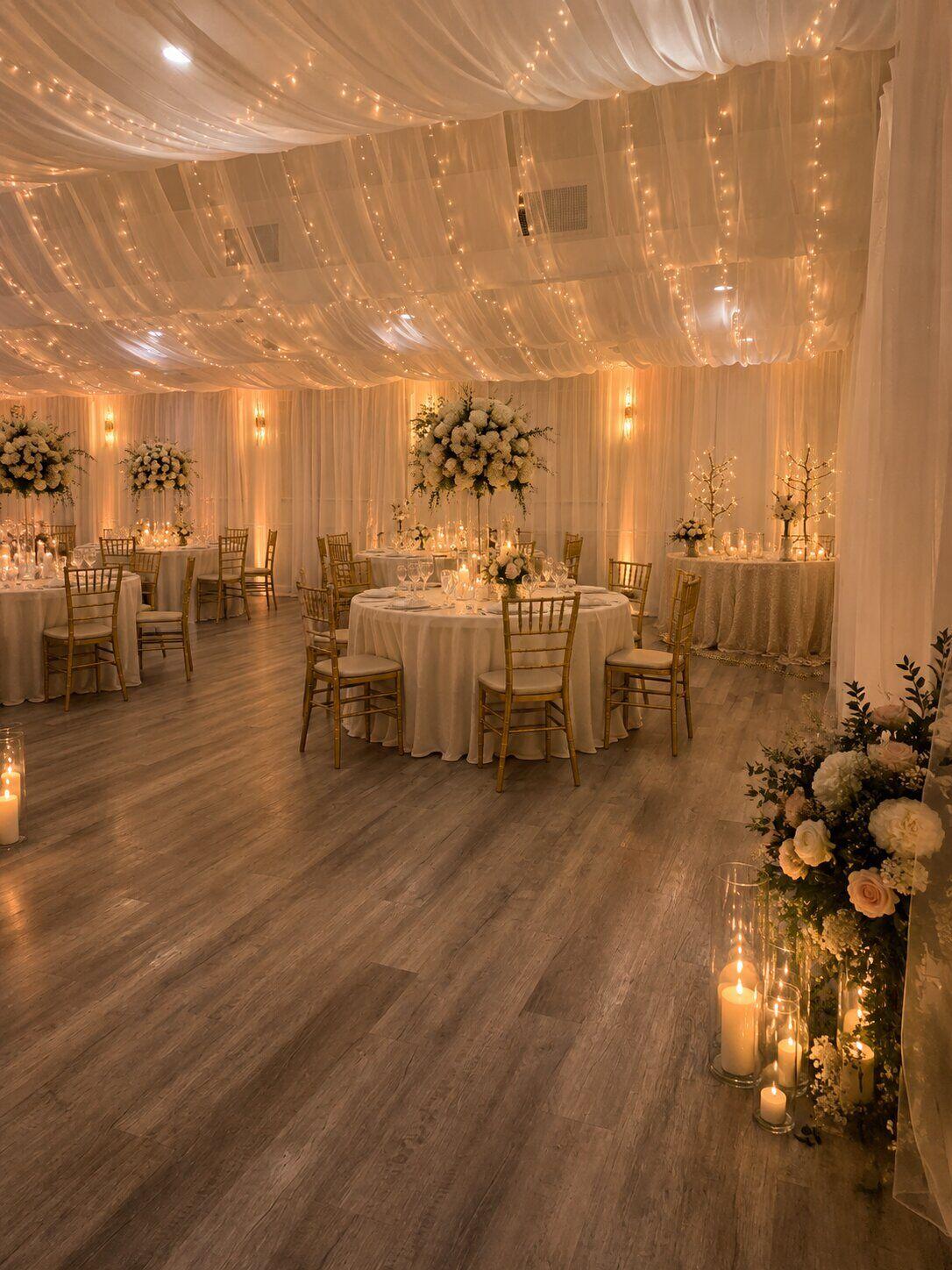
An outdoor celebration in North Carolina needs an indoor or covered alternative. Heat, humidity, thunderstorms, and wet ground affect more than umbrellas. They can change food safety, vendor load-in, mobility, and how long people comfortably stay outside. A useful weather plan names a decision-maker, a deadline, and a workable layout for each version of the event. Use this framework when comparing spaces around Benson or Raleigh.
Define the trigger before weather is urgent
Choose a point person who can authorize the move indoors or under cover. Then ask the venue when that decision must be final for staff, furniture, catering, and sound to reset. A forecast several days ahead is useful for planning but not always decisive; a last-minute change may be impossible if a room must be prepared. Instead of debating a single temperature number, evaluate the combination of heat, direct sun, humidity, wind, rain risk, and how long guests will be outside. Follow local weather alerts and any venue safety instructions.
Ask what the alternative space actually holds in the intended configuration. A room that fits a seated meal may not hold the same number with a dance floor, buffet, bar, and accessible circulation. Walk through the transition from parking to ceremony or reception in both plans. If severe weather makes even a covered area unsafe, ask who communicates that instruction and where guests and vendors should go. Put the agreed triggers and notification sequence in a shared document rather than relying on a verbal understanding.
- Name one weather decision-maker and one backup.
- Set the venue's final layout-change deadline in writing.
- Map an indoor or covered plan for the full guest count.
Reduce heat exposure in the original layout
Think about the event as a sequence of exposure points: the walk from the car, any queue for check-in, a ceremony, photos, and the meal. A shaded ceremony is not enough if guests stand in sun while waiting for drinks. Ask where shade falls at the planned hour and whether chairs, water, and accessible paths can be positioned there. Offer water visibly and frequently, not only behind a bar. Make nonalcoholic drinks easy to find, especially if alcohol is available. Fans may help air movement, but they do not replace an effective heat plan.
Shorten any portion that requires standing in direct sun, and avoid scheduling the most demanding activity at the hottest part of the day where possible. Let guests know if a substantial part of the gathering is outdoors so they can choose clothing and footwear accordingly. Older adults, children, pregnant guests, and people with certain health conditions may need an easier way to reach a cooler space. Do not ask invitees to disclose private medical information; simply design an event where stepping inside or sitting down is normal and unremarkable.
Check food, equipment, and staffing assumptions
Heat plans must include the people preparing and serving food. Ask the caterer how chilled items, ice, water stations, and hot food will be handled if service moves or is delayed. Confirm who supplies and replenishes ice, who monitors beverage stations, and whether the revised location changes power needs. Photographers, musicians, and audio teams also need a protected setup and a dry, safe path for equipment. Do not assume a tent solves electrical or lightning concerns. Ask each vendor for its own weather and safety limits.
Build realistic buffer time for a layout switch. Chairs, linens, signage, and place settings may need to move, and vendors need to know whether they can load in earlier or use the backup space. A last-minute rearrangement can create a pinch point at the entrance; draw the queue and accessible route on the floor plan. Confirm whether both layouts are included in the agreed service scope and get any possible changes quoted before committing. The most useful contingency is one that has been priced and rehearsed on paper.
Send guests one clear update
Decide in advance where updates will appear: a text from a designated contact, an email, or a wedding website update. Tell guests when they will hear the final plan. The message should state the arrival address, event start time, whether the gathering is inside or outside, and any change to parking or footwear guidance. Avoid sending speculative forecasts from multiple family members. If transportation is arranged, notify drivers and guests with the same final instructions. Keep one contact available for accessibility questions.
For a vineyard event in Benson, visit to see the distance between parking, outdoor areas, and shelter. Ask what happens if the ground is wet but rain has stopped, or if the day is dry but uncomfortably hot. Those situations test a plan better than a sunny-versus-rainy comparison. Give guests and vendors a workable path when conditions change.
Frequently asked questions
Is a tent enough of a summer weather backup?
Not necessarily. Ask about heat, wind, lightning, flooring, power, and safe shelter. A tent may protect from some rain while doing little to address dangerous conditions.
When should guests hear about a weather change?
Set a decision time with the venue and vendors first, then communicate the final plan early enough for guests to adjust travel and clothing. Use one consistent channel and one clear message.