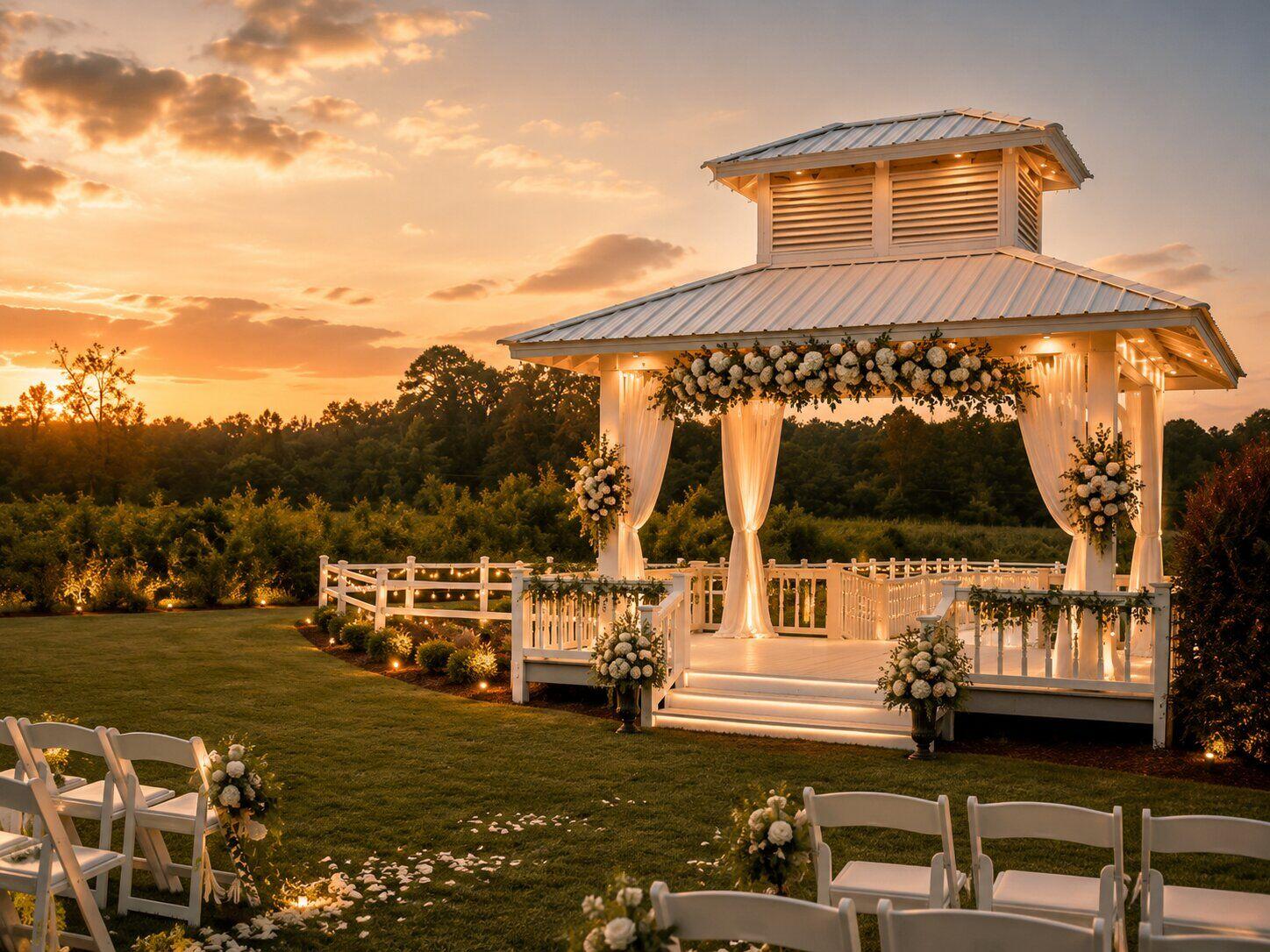
A rehearsal dinner gives the wedding party a chance to practice, eat, and connect without becoming a second reception to produce. Around Raleigh and Benson, the challenge is often getting people from rehearsal to dinner at a reasonable hour. Start with those who need to rehearse, then choose a gathering that fits the evening. A seated meal, buffet, and family-style dinner solve different problems. The right choice leaves everyone time to rest before the wedding.
Draw the guest list around the rehearsal
Ask the ceremony coordinator who needs to attend the walk-through: usually the couple, attendants, immediate family with processional roles, readers, and anyone escorting someone down the aisle. Dinner invitations can be broader, but make that a deliberate choice rather than letting the list grow by assumption. Decide whether partners, children, out-of-town relatives, and officiants are invited, then use the same rule for each comparable group. If the dinner is being hosted by someone else, share an estimated head count early and ask what format feels comfortable before promising additional invitations.
Create a roster with names, ceremony roles, dinner attendance, dietary needs, and one contact per household. This prevents the rehearsal organizer from reconstructing the count from texts. Set a reply deadline for menu planning and have one person handle late changes. A smaller dinner is not a slight to other guests; it has a different purpose. To welcome out-of-town visitors, consider a separate, clearly labeled gathering.
- Confirm who attends the rehearsal before sending dinner invitations.
- Use one RSVP deadline and one contact for changes.
- Distinguish dinner guests from guests invited to any broader welcome gathering.
Build a travel-aware schedule
Work backward from a sensible dinner end time, not forward from an optimistic rehearsal start. Allow time for questions, photographs, parking-lot conversations, and travel between locations. Raleigh-area guests may approach Benson by different routes, so a route that looks straightforward on a map is not a substitute for realistic departure instructions. Share addresses and parking details for both stops; do not assume everyone knows which vineyard entrance or meeting point you mean. If a shuttle is being considered, verify the route, loading time, accessibility, and final passenger count with the provider rather than guessing.
A wedding party rehearsing at one location and eating at another needs a clear handoff. Name the person who tells everyone when to leave, and put the dinner address in both invitation and reminder. Give travelers time to check in. Keep toasts brief and schedule them while guests are seated. Aim for a predictable end, especially when wedding preparations begin early the next day.
Choose a meal that can absorb small changes
Ask prospective hosts or venues what dining formats they can accommodate and when a final count is needed. A plated dinner can be orderly when choices are collected in advance; a buffet or stations can make late arrivals easier to feed. Neither approach is automatically cheaper or simpler, so ask what service, staffing, beverages, and cleanup are included in the proposal. Collect allergies separately from preferences, and request a clear plan for preventing mix-ups at service. Children and guests who do not drink alcohol should have appealing options without needing to ask for special treatment.
Keep the menu connected to the schedule. A long cocktail hour after a late rehearsal can push dinner too far into the night. Ask when food can be ready, how long service lasts, and whether speeches affect clearing or staff timing. If the venue has a defined rental period, confirm how setup and breakdown fit inside it. Havenwing Vineyards' private-event guide describes a four-hour event period plus one hour for setup and breakdown, with up to 150 base guests; verify the terms that apply to the specific dinner before designing an agenda around them.
Make hosting responsibilities visible
Write down who is paying for the space, food, beverages, transportation, and any welcome gifts before contracts are signed. Also decide who will approve final changes and who will field guest questions. A family member offering to host may want to choose a menu but may not want to become the day-of contact for vendors. Give vendors one authorized decision-maker, and keep the couple out of routine logistics where possible. Share a one-page timeline with the rehearsal leader, dinner host, transportation contact, and anyone making a toast.
A rehearsal dinner can feel welcoming without a dense program. Offer thanks, leave room for conversation, and skip traditions that create work without adding meaning. Before confirming a space, ask about access, seating, weather alternatives, and closing time. Send guests a reminder with arrival time, parking, attire, and whom to call if delayed.
Frequently asked questions
Do all out-of-town wedding guests need a rehearsal dinner invitation?
No. Many couples keep dinner focused on the rehearsal group and host an optional welcome gathering for a wider circle. State clearly which event each person is invited to.
How much time should we leave between rehearsal and dinner?
Allow for the actual rehearsal, questions, travel, parking, and a small delay buffer. Test the schedule against the locations and arrival needs of your particular group rather than assuming a fixed interval.