A plant-based wedding meal should be designed as a complete dining experience, not as a conventional menu with the meat removed. Guests will remember whether they were welcomed, well fed, and able to choose food that suited them. They may not remember the label attached to every dish. If you are planning a wedding near Raleigh or in Benson, begin with the season, the service style, and the range of needs in your guest list. Then work with the caterer on a menu that has variety in texture, flavor, and substance from the first bite to dessert.
Separate preferences from safety requirements
Ask guests a narrow, useful RSVP question about dietary requirements rather than asking everyone to provide a favorite cuisine. Collect allergies and medically necessary restrictions in a form that reaches the caterer directly or is accurately passed on by one organizer. Plant-based does not mean allergen-free: nuts, soy, sesame, wheat, and other common allergens can appear in sauces, proteins, and desserts. Ask how ingredients are tracked, how dishes are labeled, and whether the kitchen can manage cross-contact concerns. Do not promise an allergen-safe meal on behalf of a vendor.
Clarify whether the entire menu is plant-based or whether only some courses are. Guests with vegan requirements may also ask about honey, dairy in bread, or egg in pastries. Those details matter more than a broadly worded menu description. Conversely, guests who normally eat meat do not need a separate consolation plate when the main menu is satisfying. Communicate the dinner style in a friendly way and make the final menu easy to read at the event. Accessibility includes clear labels, not just ingredient substitutions.
- Collect allergies separately from general food preferences.
- Ask the caterer about cross-contact procedures and ingredient labeling.
- Confirm bread, sauces, garnishes, and dessert as carefully as the main course.
Build a full plate, not a collection of sides
Start with a substantial centerpiece for each guest or a balanced set of buffet choices. Beans, lentils, grains, vegetables, mushrooms, and plant proteins can create very different experiences, depending on preparation. Pair a rich or savory element with freshness, acid, and something crisp. If the ceremony and reception cover several hours, small appetizers alone are unlikely to carry guests comfortably to dinner. Ask the caterer to explain portion sizes and the order of service, especially when a long photography session or speeches separate the cocktail hour from the meal.
Seasonal planning is useful without relying on an imagined harvest calendar. Ask what ingredients the kitchen can source and execute reliably for your actual date, and what substitutions might be needed. For a summer celebration, consider how dishes hold if an outdoor service is delayed by heat or a weather change. A dish that tastes wonderful straight from the kitchen may require a different approach for a distant station. Discuss transport, holding, replenishment, and temperature management with the people who will prepare and serve it.
Taste the menu as a guest would experience it
If a tasting is available, review the whole progression rather than isolated favorite bites. Will guests have enough choice at the beginning of the evening? Does the entree feel complete? Are two creamy courses competing with each other? Request tasting notes on seasoning, portion, presentation, and how a dish will appear when served to a large group. Ask whether the tasting version matches the contracted menu and what may change with season or guest count. Document agreed adjustments so nobody has to recall an informal conversation months later.
Dessert and late-night food deserve the same attention. A plant-based cake might be the centerpiece, but check that guests with nut or gluten allergies have appropriately handled alternatives if needed. Coordinate coffee, tea, and nonalcoholic drinks with dessert timing. If the wedding includes children, ask whether the menu works for them without assuming they require a separate, bland dish. Clear service instructions can help staff explain options confidently and prevent a guest with a restriction from being sent from station to station.
Make the service plan match the room
A plated meal requires clear meal counts and seat identifiers; stations need enough space and a plan for lines. A buffet can be welcoming when menus are visible before guests reach the front, but a narrow circulation route can slow everything down. Ask who releases tables, replenishes dishes, and helps guests with accessibility needs. Confirm that vendors working through dinner have meals accounted for under their agreements. These operational choices matter just as much as recipes in creating an enjoyable plant-based event.
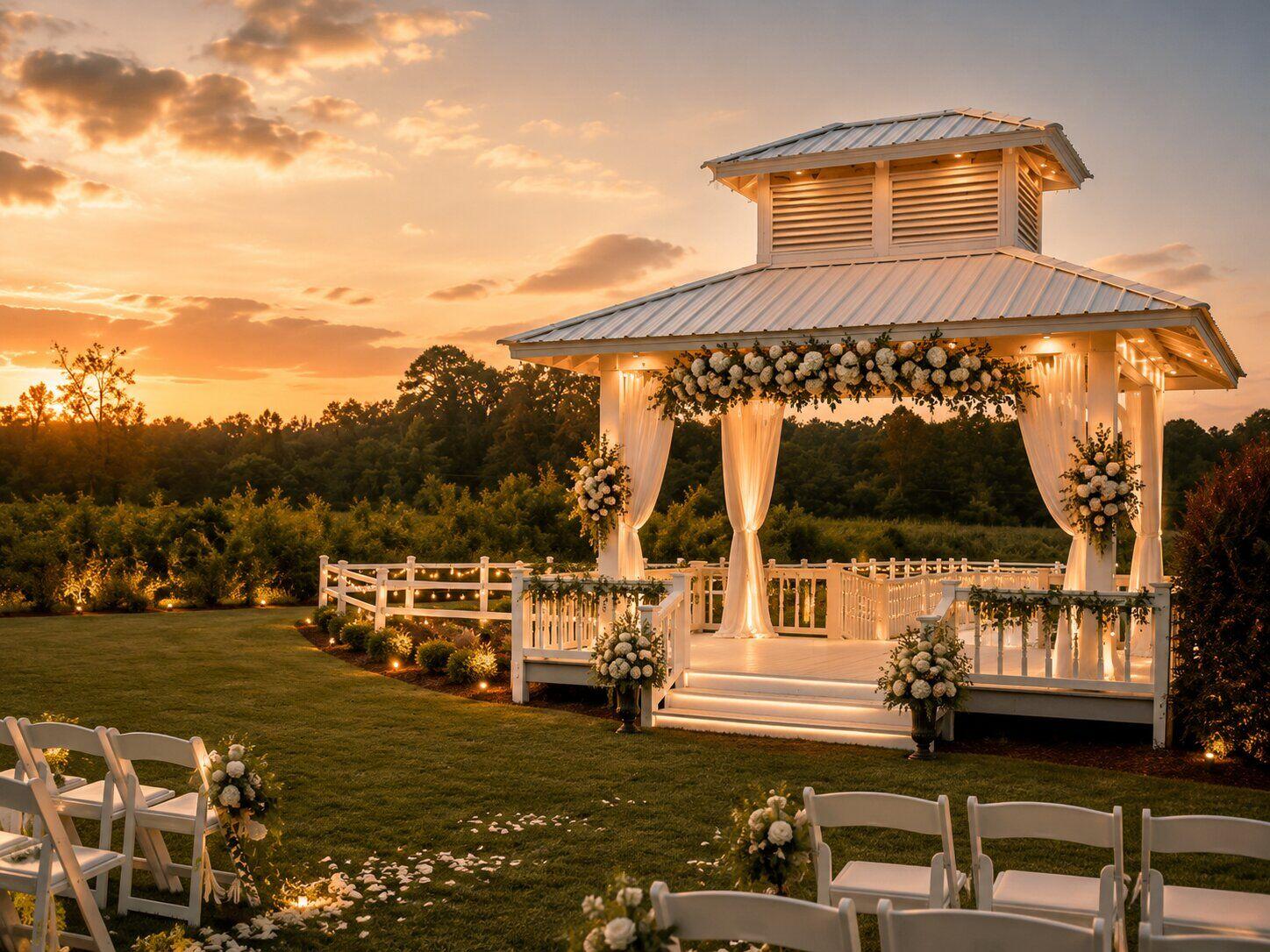
Ask what catering arrangements are permitted and included. Havenwing Vineyards is in Benson on a 20-acre property near Raleigh, but base the menu on a current proposal and the caterer's capabilities, not assumptions about the setting. Request a written outline identifying courses, dietary accommodations, staffing, and the change deadline. Then guests can enjoy dinner.
Frequently asked questions
Will a plant-based menu work for guests who are not vegan?
It can when the meal has satisfying portions, varied textures, and familiar points of entry. Taste the complete menu and ask how it will be served, rather than focusing on labels alone.
Is a vegan menu automatically safe for common allergies?
No. Plant-based dishes may contain nuts, soy, wheat, sesame, and other allergens. Give the caterer specific requirements and ask about ingredients and cross-contact practices.